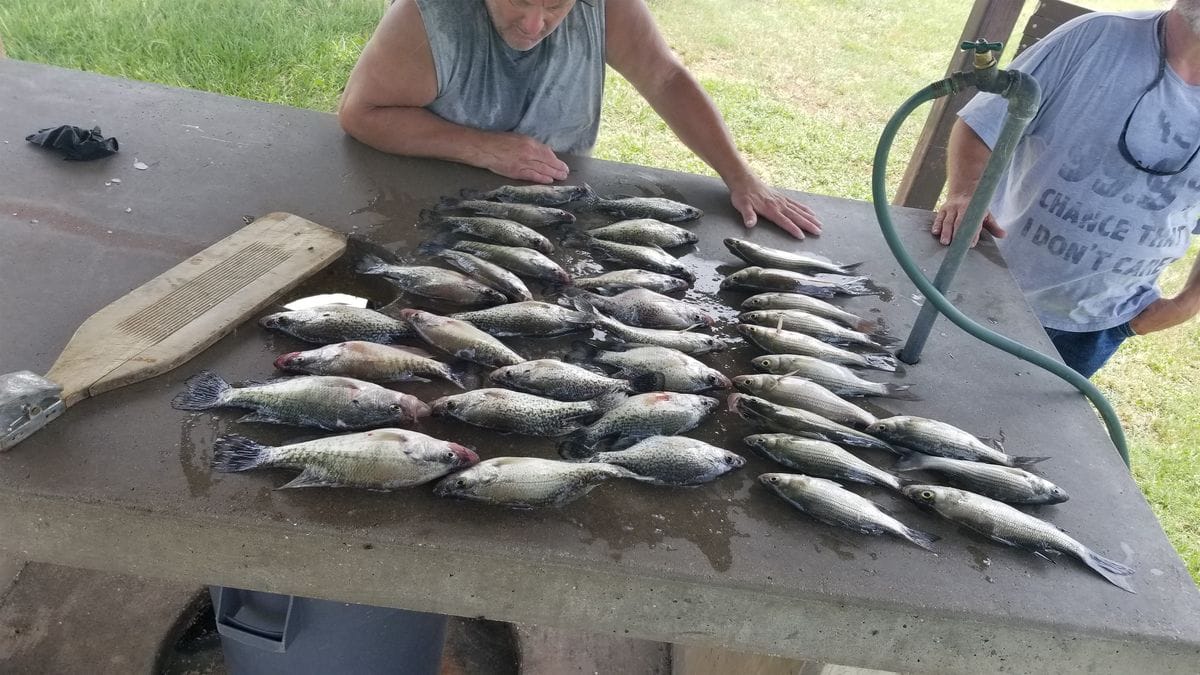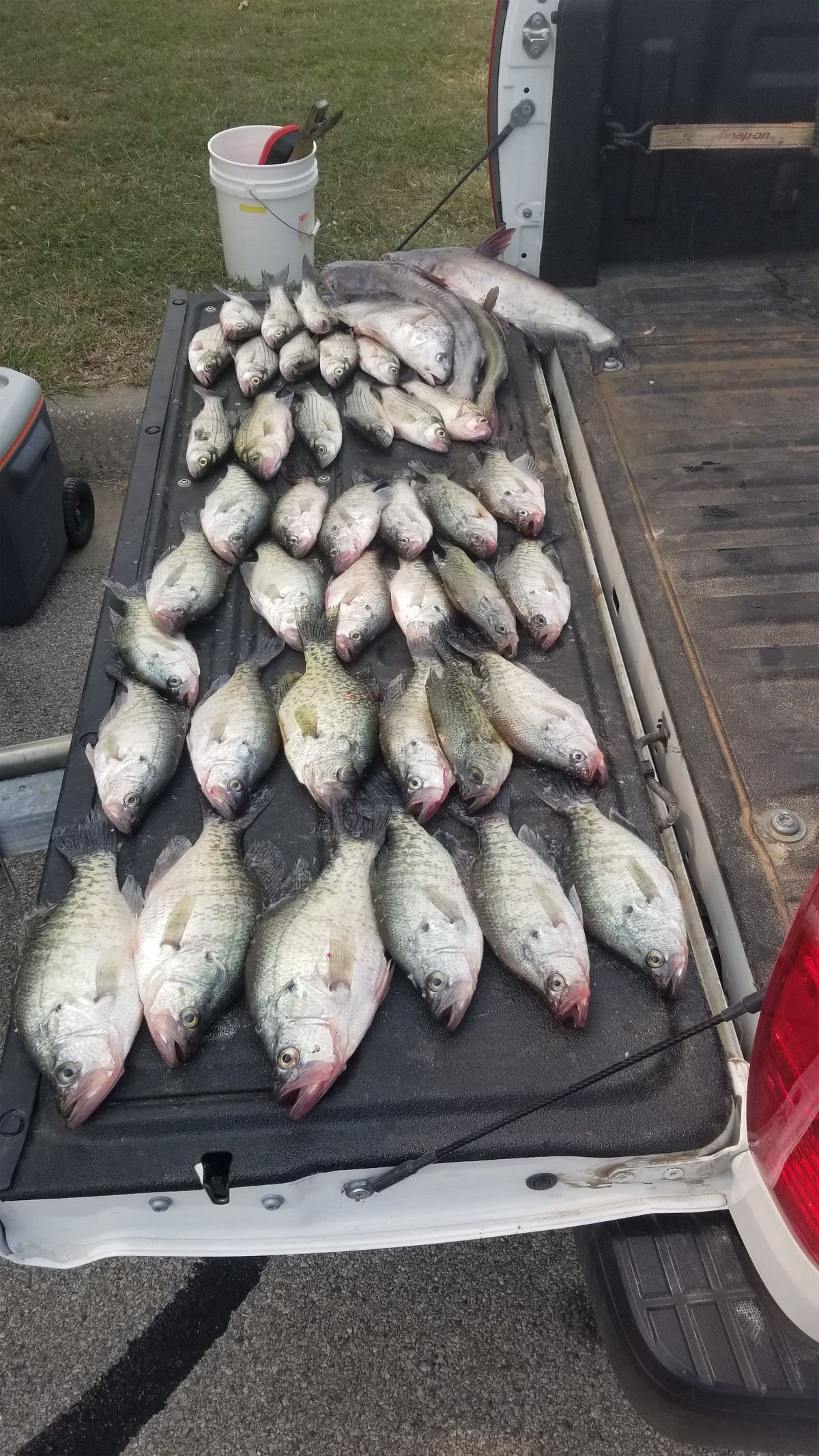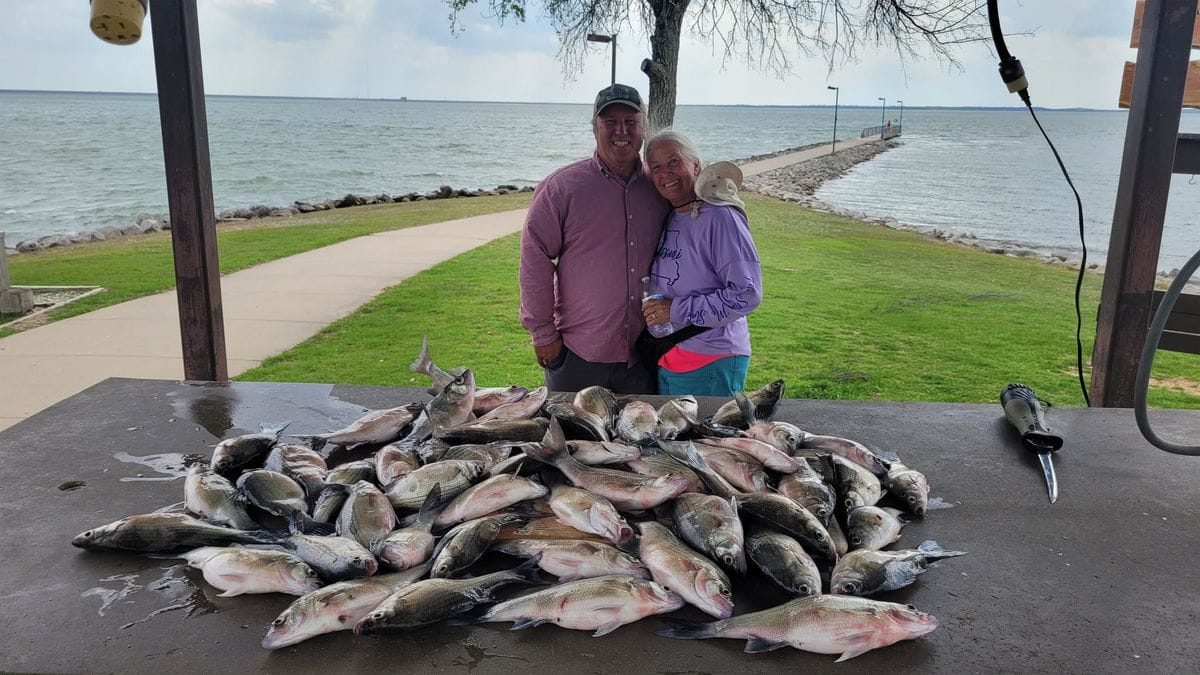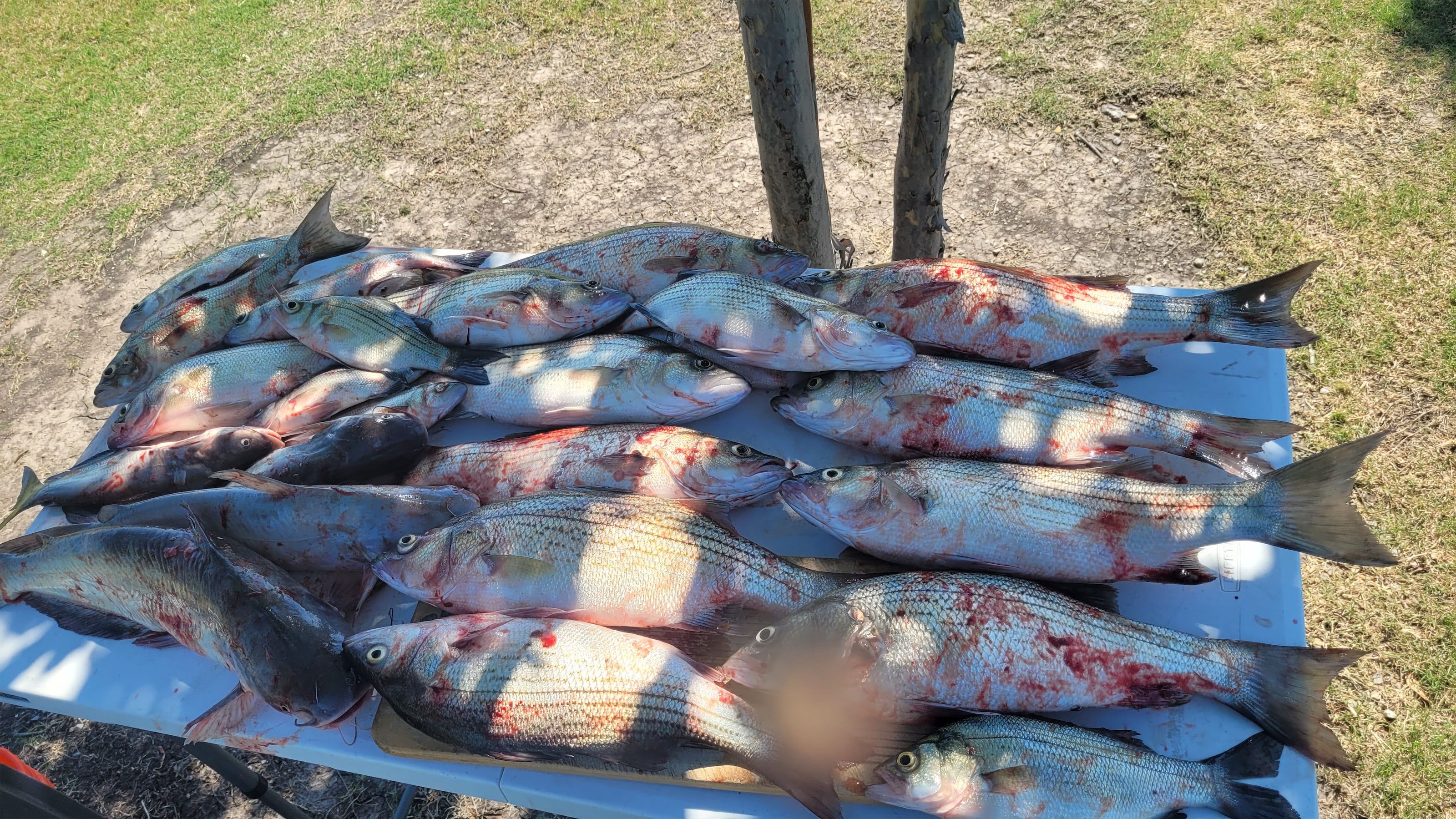
I've eaten catfish from a lot of Texas lakes. Cleaned them, fried them, handed plates to people at the tailgate. And the ones that come out of Lake Aquilla are different. I noticed it pretty quick when I started fishing here, before I could explain it. Firmer fillet. Cleaner taste. Less of that muddy, pond-water flavor you get from a lot of reservoir catfish. I started telling clients about it and most of them looked at me like I was making it up. Then they ate one.
The Science Behind the Flavor
So here's why, best I can tell. Aquilla runs cooler than most lakes its size in Central Texas. It's spring-fed in places, it's relatively deep for a 2,500-acre lake, and the water just stays colder longer into the season. That matters because water temperature affects how a catfish grows.
In warmer lakes, catfish grow fast. They bulk up quick, eat constantly, pack on weight in a hurry. Sounds good on paper. But fast growth means the muscle fibers are looser. The meat is softer. Mushier, if I'm being honest. You fry it and it falls apart in the pan.
Cooler water slows everything down. The fish grow slower, but the muscle gets denser. Tighter grain. When you fillet a channel cat out of Aquilla, you can feel the difference in your hand. It holds together. It's got structure. And when you cook it, it tastes like the fish actually ate something worth eating instead of whatever was sitting on the bottom of a warm, shallow lake.
I don't totally know why more people don't talk about this. Water temperature and fish quality isn't some secret. Trout guys have known it forever. Cold water, better fish. Same thing applies to catfish. Aquilla just happens to be one of those lakes where the conditions line up.
Channel Cat vs. Flathead on Lake Aquilla
Most of what you'll catch here are channel catfish. That's the workhorse. Channels typically run 2 to 5 pounds, with bigger ones up into the teens after dark. The sweet spot for the table is right where most of them are, 3 to 5 pounds. Big enough to get good fillets, small enough that the meat hasn't gotten tough or picked up off flavors.
Flatheads are the other story. They push 40-plus in Aquilla, with bigger ones if you fish live bait at night. They fight like they're angry about something. Flatheads are more of a trophy fish than a table fish. You can eat them, and some people do, but the meat is different. Coarser. A little chewier. If I'm keeping fish for dinner, I'm keeping channels. If I'm keeping a memory, I'm keeping the flathead on my phone.
Blue catfish show up too, less common than channels but bigger when you hook them. 10 to 20 pounds is normal for the blues that come over the side. Some are bigger. Blues have a milder flavor than channels. Some people prefer them. I'd eat either one out of this lake without thinking twice.
When and How to Catch Lake Aquilla Catfish
Peak season is June through September. That's when the big ones really turn on. Water's warm up top, but the deeper channels where these fish hold stay cooler, which goes back to the whole taste thing.
Night fishing is the move. I run summer trips where we launch at sunset and fish into the dark. Catfish are built for it. Those barbels on their face aren't decoration. They're sensory organs that let them hunt by smell and feel in zero visibility. After dark, they leave the deeper structure and start cruising. That's when you get the big bites.
For channels, chicken liver is hard to beat. It's cheap, it smells terrible, and it works. The scent disperses fast in warm water and pulls fish from a distance. Cut shad is another go-to, especially fresh. If you're buying frozen shad from a bait shop, you're starting at a disadvantage. Fresh matters.
Flatheads are a different animal. They want live bait. Live bluegill, hooked through the back, fished on the bottom near channel ledges or deep structure. That's the setup. It's not complicated, but you have to be patient. Flatheads don't feed like channels. They sit and wait, and then they commit. When the rod bends, you know.
Best spots are the channel ledges, creek mouths, and the deeper holes on the north end. Anywhere you've got a depth change from 15 to 30 feet is worth checking. The fish stack on those transitions, especially after dark.
From the Lake to the Table
I clean and bag every fish on my trips. You go home with fillets ready for the pan. But the cooking part is up to you, so here's what I'd do.
Southern fried. This is the default for a reason. Cornmeal, salt, pepper, maybe a little cayenne if you want heat. Oil at 375. Three to four minutes per side depending on thickness. Don't overcook it. Catfish gets rubbery fast. You want it flaky inside, crispy outside. Done. A squeeze of lemon if you're feeling fancy. Cold beer on the side if you're not.
Blackened. Cast iron skillet, stupid hot. Cajun seasoning on the fillet, press it into the dry pan with a little butter. Two minutes a side. The seasoning chars and forms a crust. This is my favorite way to eat a channel cat, honestly. The firm Aquilla meat holds up to the heat without falling apart, which is exactly why the water temperature thing matters. Try blackening a mushy fillet from a warm lake. It doesn't work.
Grilled. Oil the grill, medium-high heat, skin side down first. Don't move it for four minutes. Flip once. Lemon butter, garlic, whatever you want. Grilled catfish doesn't get enough credit. People think it's only a fry fish. It's not.
The point is, good fish makes bad cooks look decent and decent cooks look great. And Aquilla catfish are good fish.
Book a Catfish Trip on Lake Aquilla
I run night catfish trips through the summer. We go out at sunset, fish the channel ledges and creek mouths after dark, and you'll have catfish for the table that came out of really clean water. I bring the tackle, the bait, the electronics. You bring a license, bug spray, and an appetite.
Aquilla is quiet at night. No ski boats, no tournament traffic. Just the water and whatever decides to bite. If you haven't done it, you should.