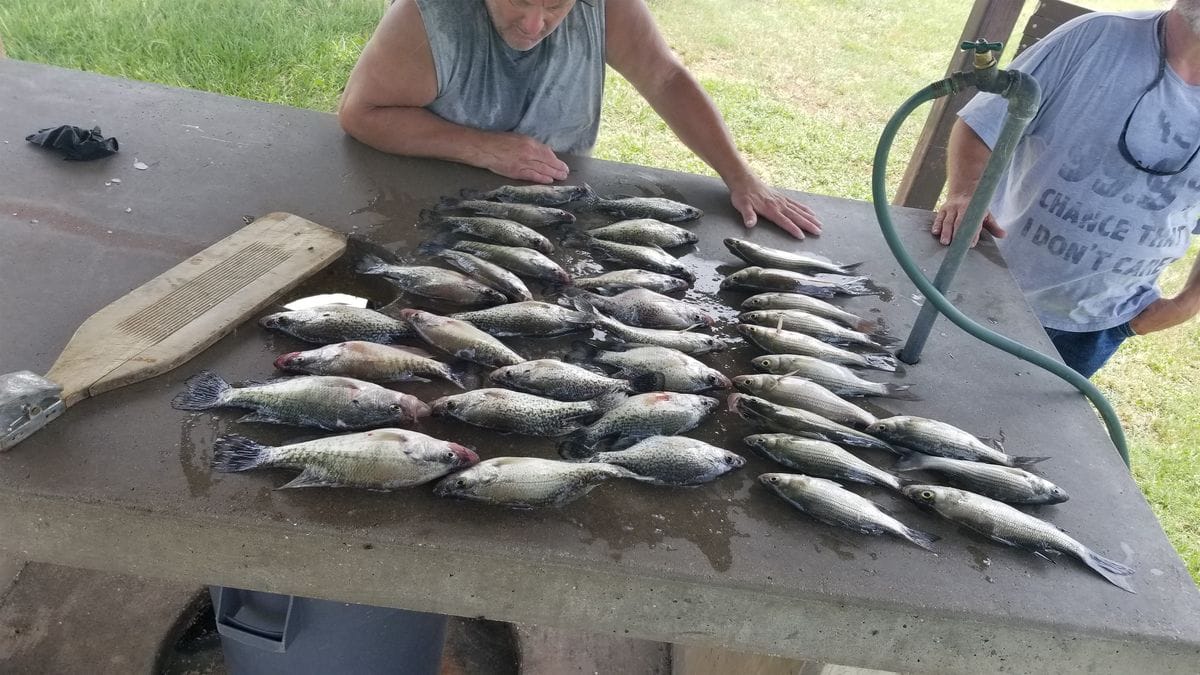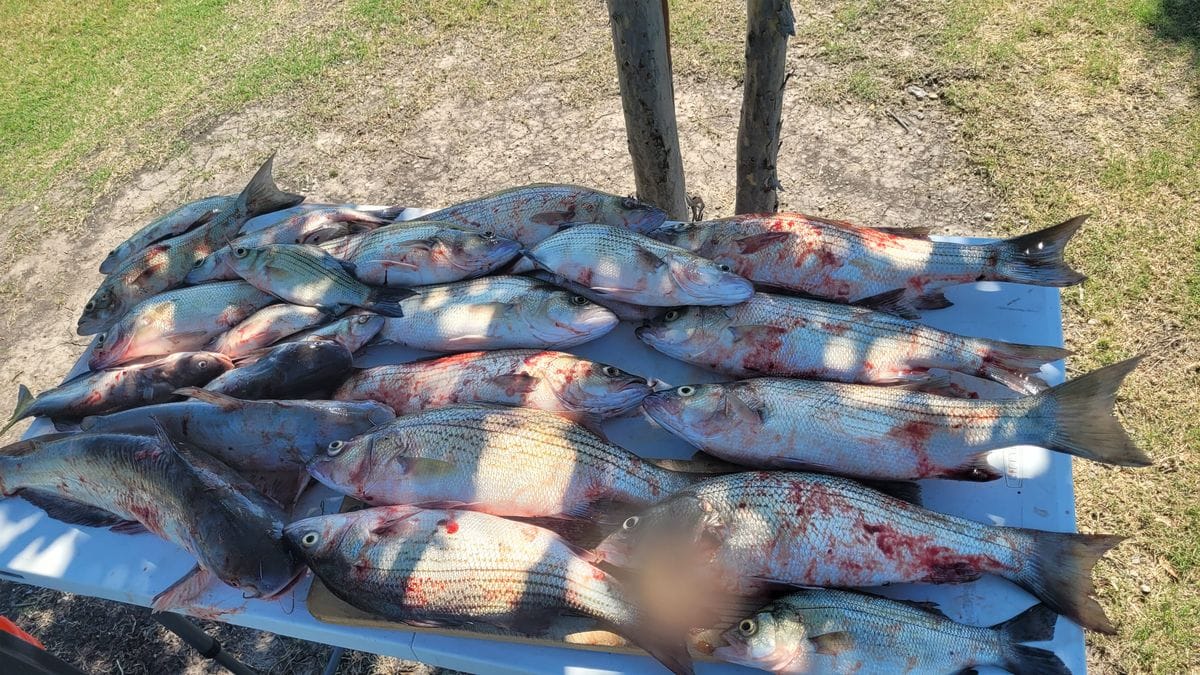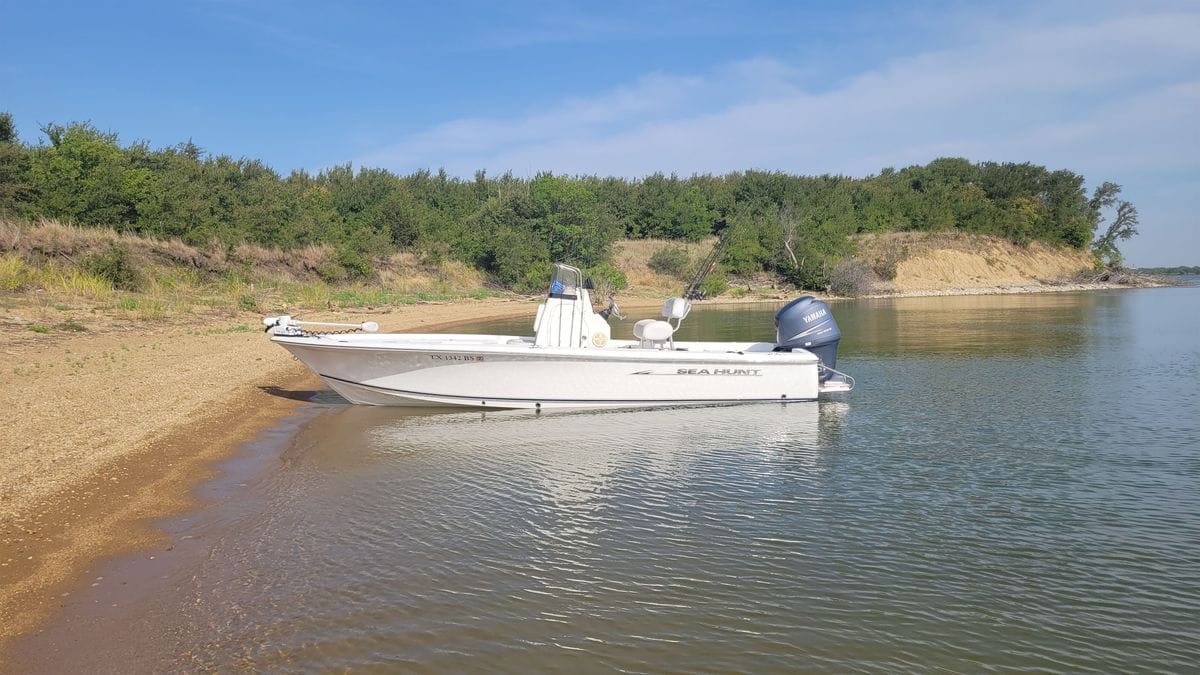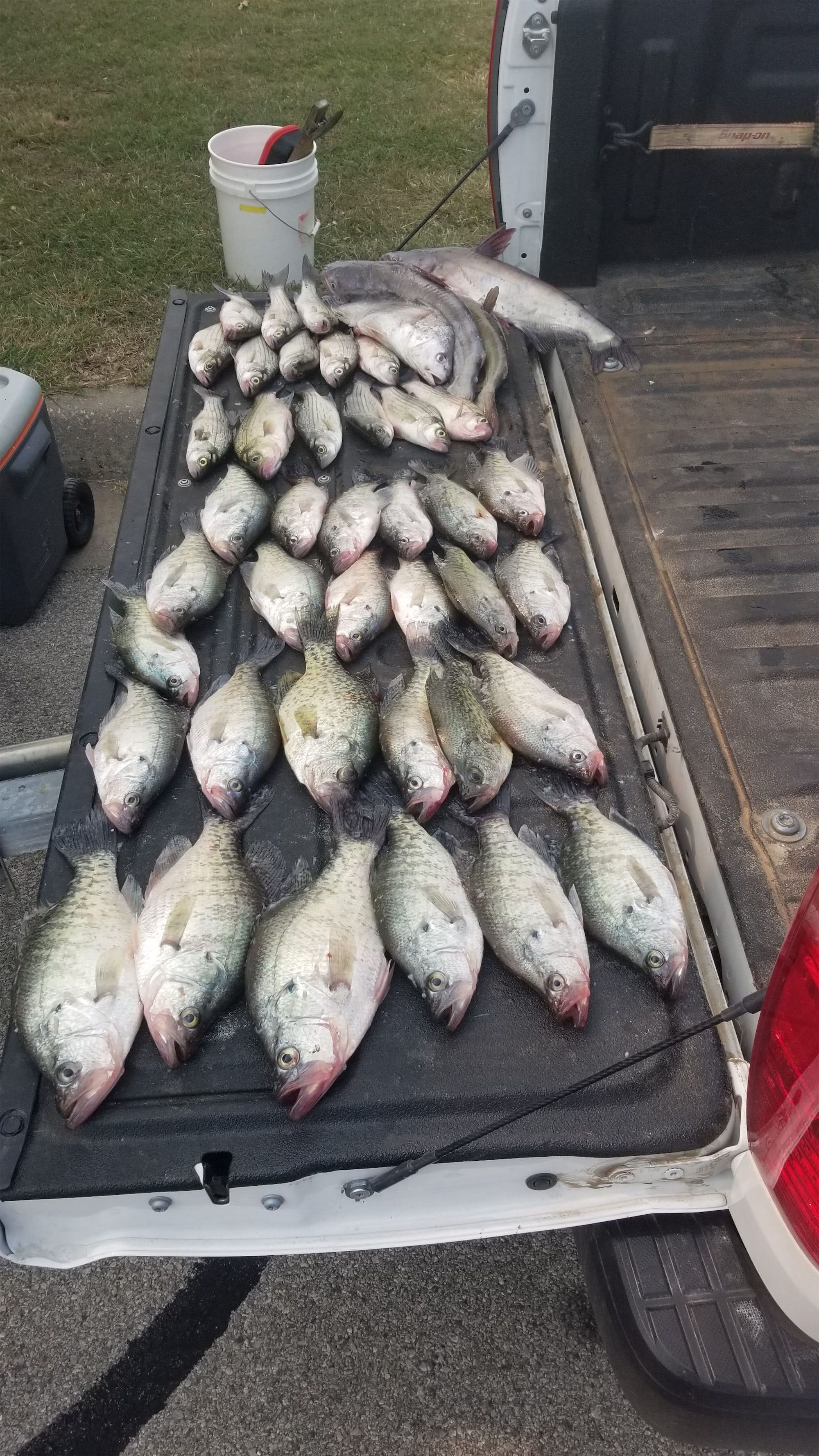
Most people put the boat away when the sun goes down. I'm just getting started.
July on Whitney is brutal during the day. Water's pushing 82, 85 degrees. The stripers are deep and sluggish. Bass don't want to look at anything you throw. But right around sunset, the lake changes. The ski boats clear out, the water goes flat, and the catfish start moving. That transition from daylight to dark is when the whole lake flips over, and if you're not out there for it, you're missing the best fishing Whitney does all summer.
I run night trips from June through September. It's a different thing entirely from a morning striper run. Slower pace. Quieter. You can hear the water against the hull and not much else. Your eyes adjust. You start watching the rod tips instead of the fish finder. And when something picks up a bait 30 feet down and starts pulling... you feel it before you see it.
Why Catfish Own the Night
Catfish are built for it. Those barbels on their face aren't decoration. They're sensory organs, basically chemical receptors that let catfish find food in zero visibility. While bass and stripers rely on sight and go dormant after dark, catfish are just waking up. Their whole feeding system is designed for low light and murky water.
Summer heat makes it even more one-sided. During the day, catfish hold deep to stay cool. Channels, ledges, holes in the 25 to 40-foot range. But once the sun drops and the surface cools a few degrees, they move up and start hunting. The warmer the day was, the more aggressive they get at night. July and August, when everyone else is complaining about the heat, that's peak catfish.
Less boat traffic helps too. A quiet lake means less pressure on the fish and less noise driving them off structure. I've had nights where the only light on the water was mine.
Three Species, Three Approaches
Not all catfish are the same, and if you fish them the same way you're leaving the big ones alone.
Channel catfish are the most common and the most cooperative. On Whitney, channels typically run 2 to 5 pounds, with the bigger ones (into the teens, occasionally past) showing up after dark. They're scent feeders, pure and simple. They cruise the flats and ledges following their nose, and they'll eat almost anything that smells strong enough. These are the ones that show up first after sunset and keep biting through midnight. Steady action, great on the table.
Blue catfish are the next step up. 20 to 60-plus pounds. Blues are more aggressive than channels and they prefer fresh bait over prepared stuff. They hang around deeper structure, channel drops, dam areas, creek mouths where current concentrates baitfish. When a blue picks up your bait, you know. The rod doesn't twitch. It loads up.
Flathead catfish are a different animal. These things push 70 pounds and they only eat live bait. Not cut bait, not stink bait, not chicken liver. Live. A flathead wants a live bluegill kicking on the hook, and it wants it after midnight. They're solitary, territorial, and they don't feed every night. But when you hook one, the fight is something you remember. Flatheads are the trophy target on a Whitney night trip.
Best Baits for Night Catfish
Bait selection is pretty simple once you know what you're after.
For channels: chicken liver is my go-to. It's cheap, it stays on the hook reasonably well, and the scent disperses fast in warm water. Punch bait and stink bait work too, especially the dip-style stuff on a treble hook. Cut shad is another reliable option. Channels aren't picky. They're following scent trails, and anything with a strong smell in the water column is going to get attention.
For blues: fresh cut shad. Nothing else. I catch shad before the trip and cut them on the boat. Blues want something that smells like what they're already eating. Skip-jack herring works if you can get it, but shad is what's in Whitney and that's what the blues are keyed on. Fresh matters. Frozen shad is better than nothing, but fresh cut shad outfishes it every time.
For flatheads: live bluegill, hooked through the back just behind the dorsal fin. The bluegill needs to be alive and kicking. A dead bluegill on the bottom is just bait sitting there. A live one swimming and struggling is a dinner bell for flatheads. Big bait, big catfish. That's not a saying, it's the rule.
When and Where to Fish
Timing: June through September is the window. The hotter the better. Sunset through midnight is prime for channels and blues. They start moving as soon as the light fades and they'll feed steadily for hours. Flatheads are different. They don't really turn on until after midnight, sometimes 1 or 2 AM. The later it gets and the quieter the lake is, the better your chances at a big flathead.
Spots: Channel ledges where the depth drops from 15 to 25 feet. Deeper holes in the 30 to 40-foot range. The dam structure on the south end concentrates fish, especially blues. Creek mouths where feeder creeks dump into the main lake are ambush points. Catfish sit at the edges of these transitions, waiting for bait to wash through.
I use the fish finder to locate structure and mark fish, but honestly, on a night trip, I'm fishing spots I already know. The catfish use the same structure night after night. Once you find a ledge that holds them, it holds them all summer.
What to Bring on a Night Trip
I provide the tackle, the bait, the rod holders, the lights, and the fish finder. That's all handled. But there are a few things you should bring.
A warm layer. I know. It's July. But on the water after midnight, the air cools down faster than you'd expect. A light jacket or hoodie takes up no space and you'll be glad you have it at 1 AM.
Bug spray. The lake at night means mosquitoes. Treat your clothes before you come or bring a good spray-on.
Snacks and drinks. We might be out for four or five hours. Bring whatever keeps you comfortable. No glass containers on the boat.
A headlamp. I've got lights on the boat, but having your own headlamp for tying rigs, baiting hooks, or finding your drink in the dark makes everything easier. Red light mode if your headlamp has it. White light kills your night vision.
Catfish on the Table
Channel catfish off a night trip are some of the best eating you'll bring home all year. The meat's firm from deeper, cooler water and the fish have been feeding well all summer.
Southern fried is the standard. Cornmeal, salt, pepper, 375 degrees until it floats. Simple. Blackened in a cast iron skillet with Cajun seasoning is another way I like it. Either way, don't overcook it. Catfish dries out fast if you leave it too long.
I clean and bag your fish at the end of every trip. You go home with fillets ready for the pan.
Book a Night Catfish Trip
A bent rod at midnight on a quiet lake is hard to beat. The water's calm, the sky's full of stars, and something heavy is pulling line off the reel. That's a night trip on Whitney.
I run night catfish trips from June through September. I bring the tackle, the bait, the lights, and the local knowledge. You bring a jacket, some bug spray, and a willingness to stay up past your bedtime.
When the rod bends, you know.