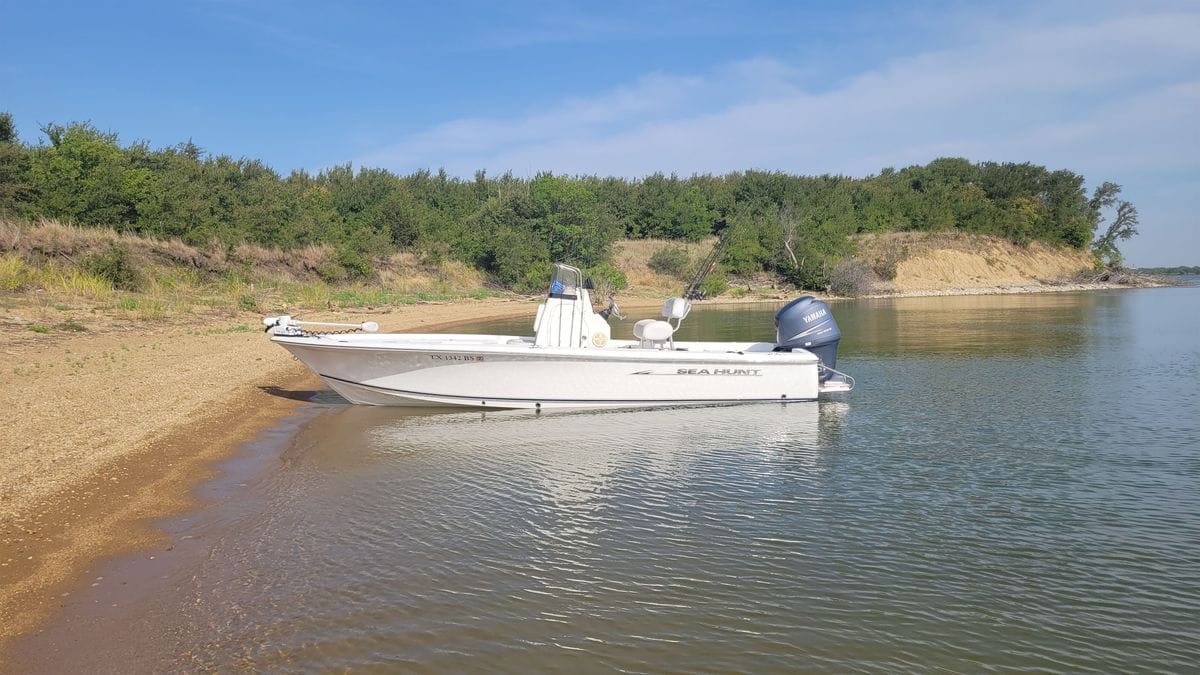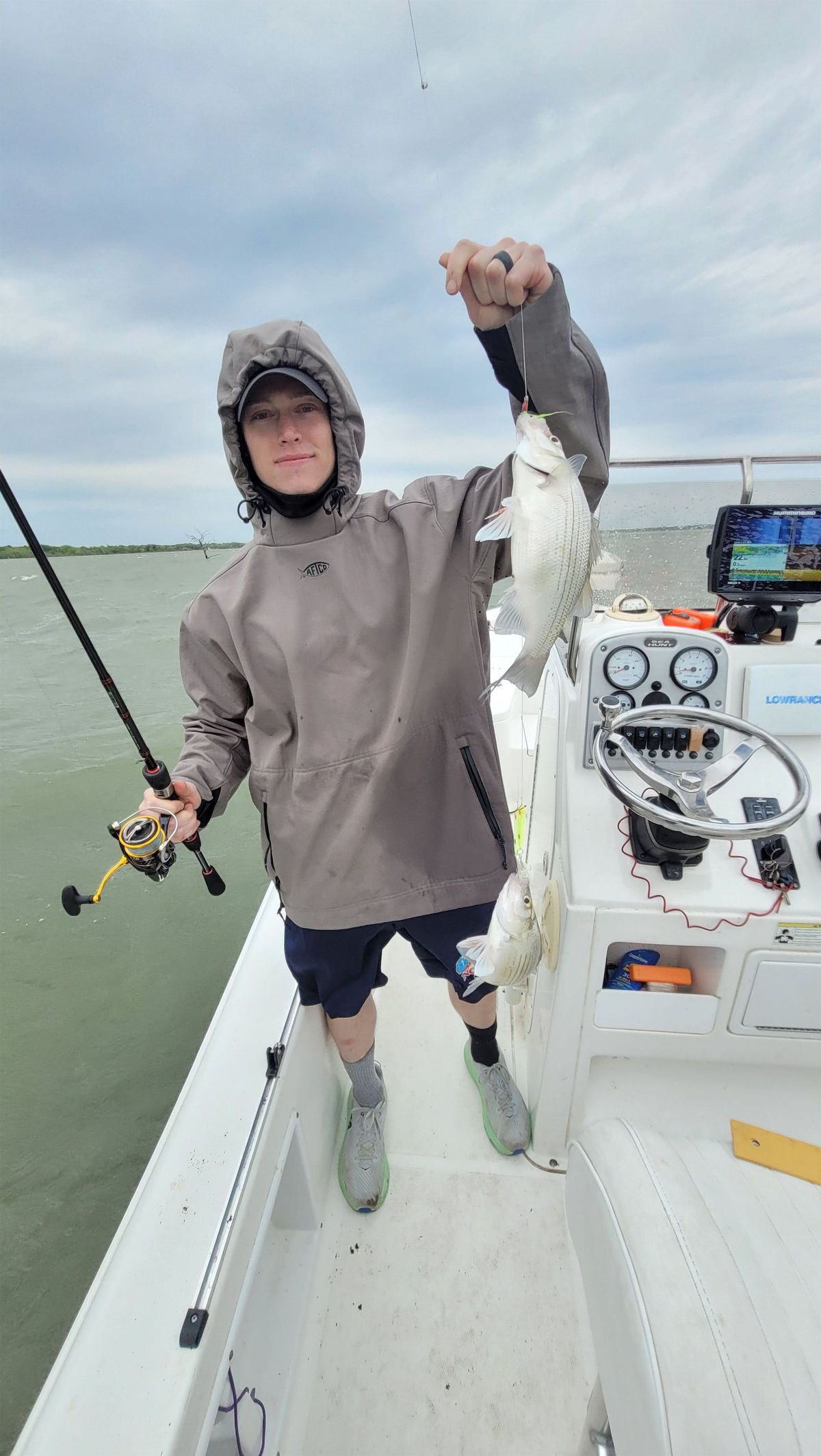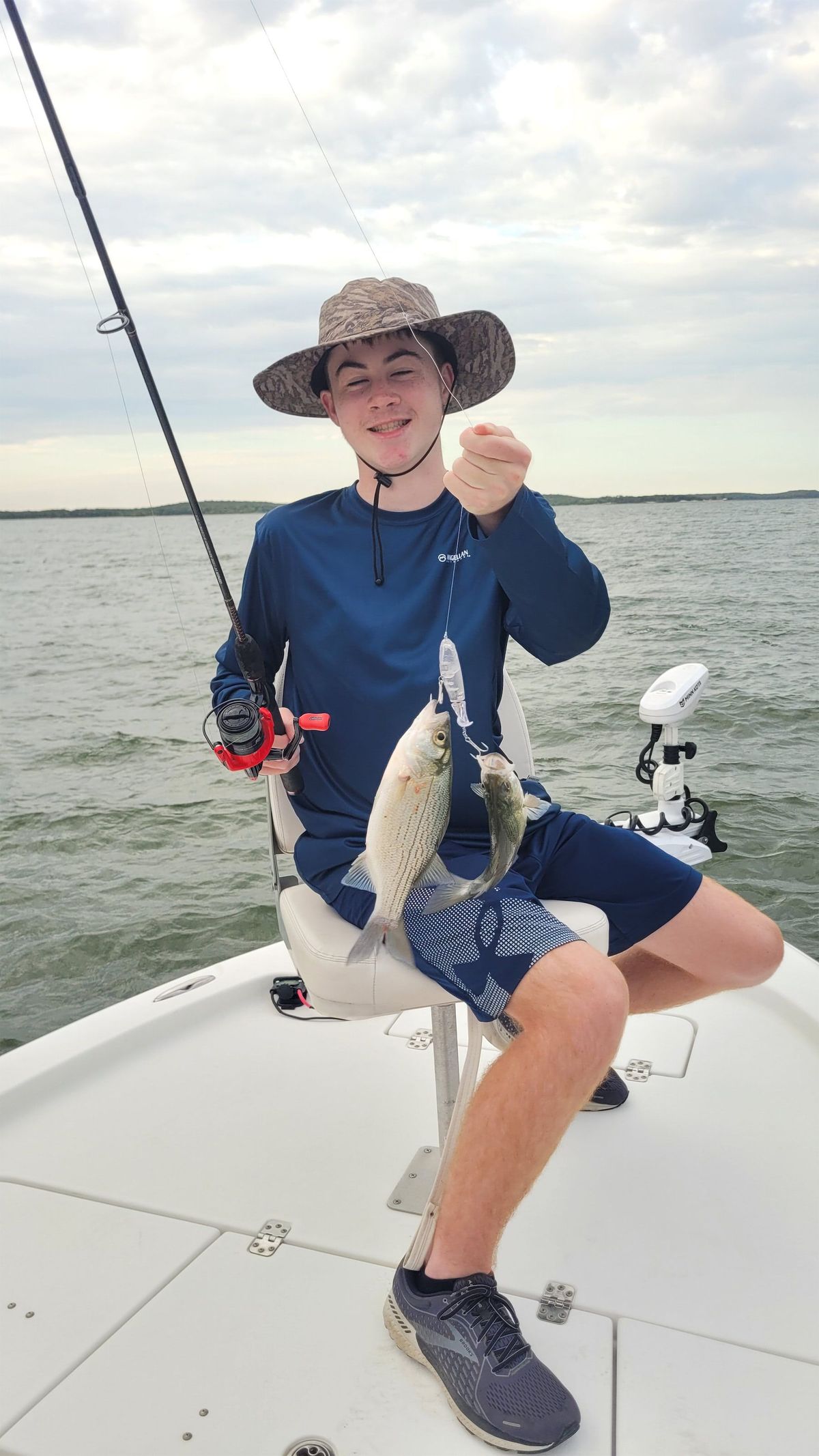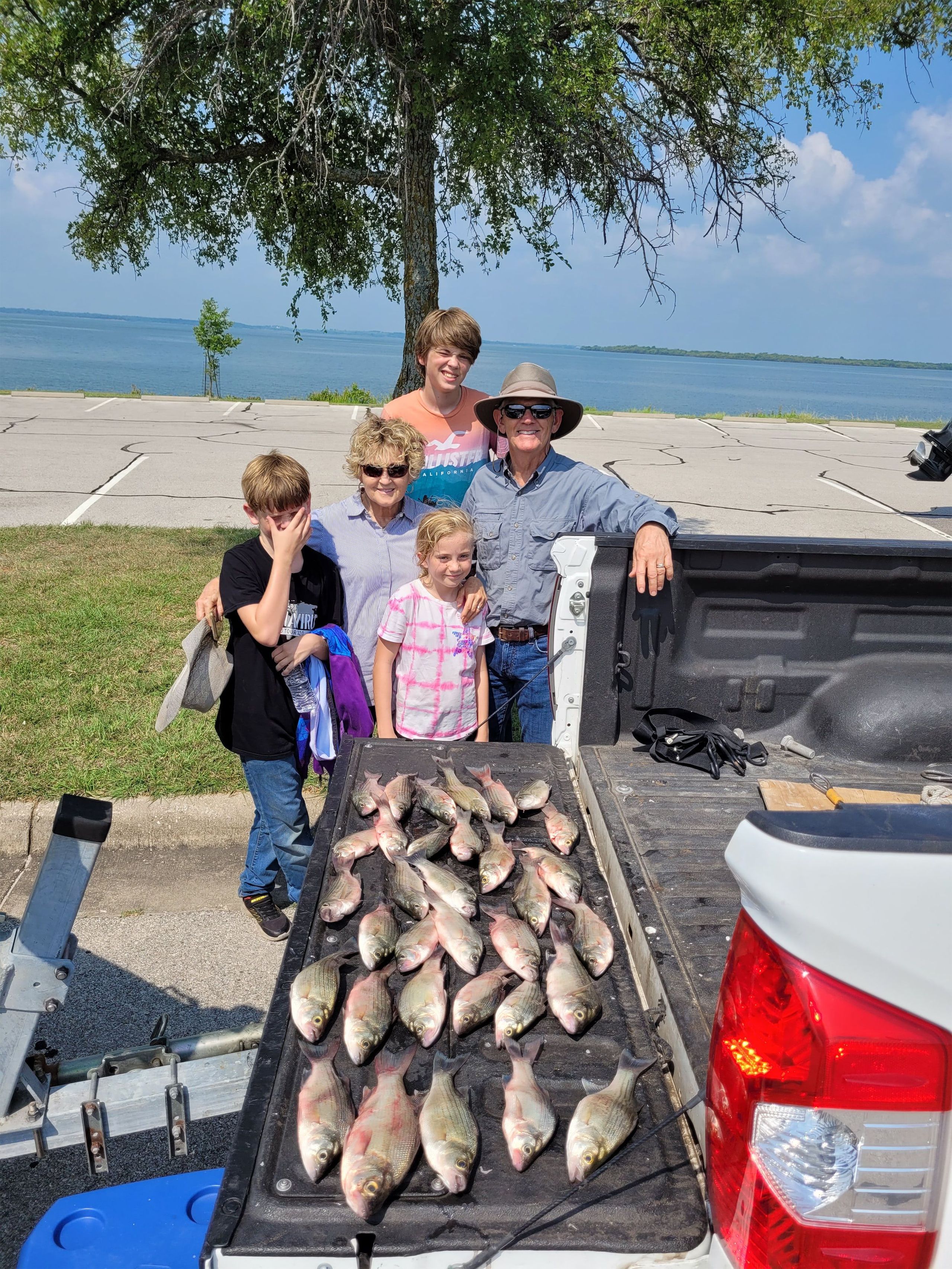
Most of the people who call me have never hired a fishing guide. That's not unusual. It's actually most of my business. They've fished a little, or not at all, and they're not sure what they're signing up for. They've got questions they feel weird asking. Will I have to bring my own stuff? Am I going to look like an idiot? Is this going to be worth the money?
So let me walk you through it. Front to back, so you know what a day with me looks like before you pull into the parking lot.
What's Included When You Book
I bring everything you need to fish. Rods, reels, tackle, bait, terminal gear. All of it. You don't need to own a single piece of fishing equipment to book a trip with me. I match the setup to what we're targeting that day, whether it's stripers, catfish, crappie, or bass. You just show up and hold the rod.
At the end of the trip, I clean your fish, fillet them, and bag them up for you to take home. That's included. You don't have to stand at a cleaning table trying to figure out how a fillet knife works. I've done it a few thousand times. It goes fast.
I also teach as we go. If you want to learn, I'll walk you through what we're doing and why. Knots, casting, reading the water, whatever you're curious about. If you'd rather just fish and not think too hard, that works too. I read the person, not a script.
What's not included: food, drinks, sunscreen, and your fishing license. Those are on you. More on the license in a minute.
What You Should Bring
The short list:
- Fishing license. You need one if you're 17 or older. Buy it online at tpwd.texas.gov. It takes about five minutes and costs $32 for Texas residents. Non-residents pay $58 for a year, or you can grab a one-day for $18. Under 17 and over 65 fish free. Don't skip this. Game wardens check, and I can't sell you one on the boat.
- Sunscreen and a hat. You're on open water for hours. There's no shade except what my T-top provides. A sunburn can ruin the whole day.
- Polarized sunglasses. Not required, but they cut glare off the water and make the whole experience better. If you've got a pair, bring them.
- Water and snacks. I don't carry food on the boat. Bring more water than you think you need, especially summer trips.
- Layers. Morning on the water is cooler than you expect, even in spring. A light jacket you can peel off by 9 AM is smart.
- A cooler. For your fish at the end of the trip. I bag them, you ice them for the drive home.
- Camera or phone. You're going to want a picture. Trust me.
Don't bring: glass containers. They break on boats and it's a safety problem. Cans and plastic only.
What Actually Happens, Start to Finish
Pretty straightforward.
We meet at the boat ramp. I'll tell you exactly which ramp and what time when you book. Usually it's early. Fish are more active in the morning, so we want to be on the water before the sun's fully up. I'm already there with the boat in the water when you pull in.
Quick safety rundown. Takes two minutes. Where the life jackets are, how to move around the boat, what to do if something goes sideways. Nothing dramatic. Just common sense stuff so everyone's comfortable.
We run to the first spot. Depending on where the fish are, this is a 5 to 20-minute boat ride. I've already scouted conditions and picked a starting area based on water temperature, wind, time of year, and what I found the days before. You don't need to think about any of that. Just enjoy the ride.
We fish. This is the main event. I set up your rod, show you what to do, and we start fishing. Sometimes the first spot lights up and we stay put. Sometimes it doesn't, and we move. That's normal. Moving spots is not a bad sign. It means I'm reading the conditions and adjusting instead of sitting on dead water hoping something changes. Good guides move. Bad guides wait.
We keep fishing. On a half-day trip, that's about 4 hours on the water total. Full day is around 8. I keep an eye on how everyone's doing. If the kids are getting tired or the bite shifts, I adjust. Some days we target one species. Some days we mix it up. It depends on what's happening and what you want.
We head back. I run us back to the ramp, clean your fish right there, bag them up, and you're on your way. The whole thing is pretty seamless. Most people are surprised how easy it was.
The Stuff People Are Nervous About
I've heard every version of "this might be a dumb question." None of them are dumb. Here are the ones that come up the most.
"I've never fished before. Like, ever."
Good. That's literally who guides are for. I'm not expecting you to show up knowing how to tie a Palomar knot or read a fish finder. I teach people to fish all the time. It's one of my favorite parts of the job. Some of my best days on the water have been with people who'd never held a rod. Zero pressure. I'll walk you through everything.
"Am I going to get seasick?"
Probably not. This is a lake, not the Gulf. The boat stays in relatively calm water. On a normal day, you're looking at small ripples, not waves. Some days get choppy if the wind picks up, but it's nothing like offshore fishing. If you're someone who gets carsick easily, take a Dramamine before we leave the dock just to be safe. But most people never think about it once we're out there.
"What if we don't catch anything?"
It happens, but it's rare on a guided trip. That's kind of the whole point of hiring a guide. I'm on this lake constantly. I know where the fish are, what they're eating, and how the conditions are shifting week to week. I'm not guaranteeing a fish on every cast, but the odds are heavily in your favor compared to going out on your own. Most trips, people catch more than they expected.
"Is it worth the money?"
Way I see it. When you book a guided trip, you're not just paying for a guy with a boat. You're getting the boat, the gas, the electronics, every rod and reel on board, all the tackle and bait, fish cleaning at the end, and somebody who's put in the work to learn where the fish are. If you tried to buy all that equipment and then figure out the lake on your own, you'd spend more money and catch fewer fish. A guide compresses years of learning into one morning.
"Can I bring my kids?"
Absolutely. I fish with kids all the time. I adjust the pace, target species that bite fast so the kids stay engaged, and keep things relaxed. Bluegill and catfish are great for young ones because they pull hard enough to be exciting but don't require a ton of technique. If a kid wants to quit after two hours, that's fine. I read the kid, not the clock. If you're looking for a family spot, Lake Aquilla is hard to beat for beginners. Less boat traffic, simpler setup, fish that cooperate.
Your Fishing License
This is the one thing people forget, and it's the one thing I can't help with on the day of. Texas requires a fishing license for anyone 17 and older. No exceptions, even on a guided trip.
The good news is it takes about five minutes. Go to tpwd.texas.gov, buy it online, save the confirmation on your phone. Done. You don't need a physical card. The digital version works.
Quick breakdown:
- Texas resident, annual: $32
- Non-resident, annual: $58
- One-day, non-resident: $18
- Under 17: free
- 65 and older: free
Do it the night before. Don't be the person scrambling in the truck at 5 AM trying to buy a license on bad cell service.
Book Your First Trip
If you've read this far, you know what to expect. There's no secret handshake, no experience requirement, nothing you need to figure out ahead of time. You bring yourself, a fishing license, some sunscreen, and something to drink. I handle the rest.
Most of my clients were first-timers at some point. Now a lot of them are regulars. That first trip is usually what does it.
Book a trip on Lake Whitney and we'll get you on the water.