Half the reason I guide is the cooler at the end. Don't get me wrong, I like the fight, the early mornings, the whole thing. But when a client texts me a photo of dinner that night with fish they caught six hours ago, that's the part that sticks. Best trips end at the table. I clean and bag your fish before you leave the ramp, so you're going home with fillets ready for the pan. What you do from there is on you. But I've got opinions.
Best Eating Fish, Ranked
People ask me this all the time. Here's how I'd stack them, and I know some of you will disagree.
- Crappie. Sweetest, most delicate fish in the lake. If you've never had fresh crappie pan-fried in butter, you're missing out.
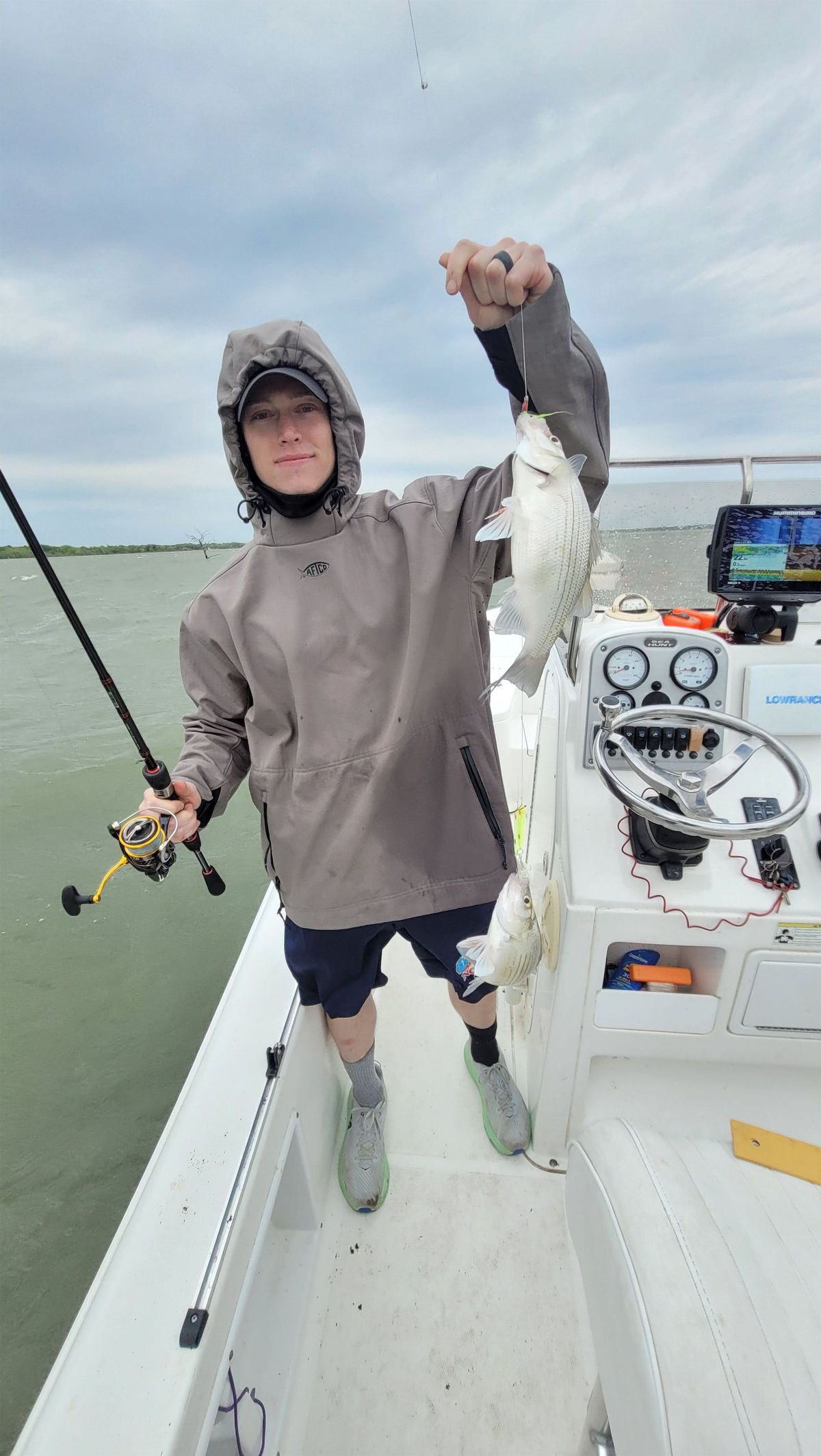
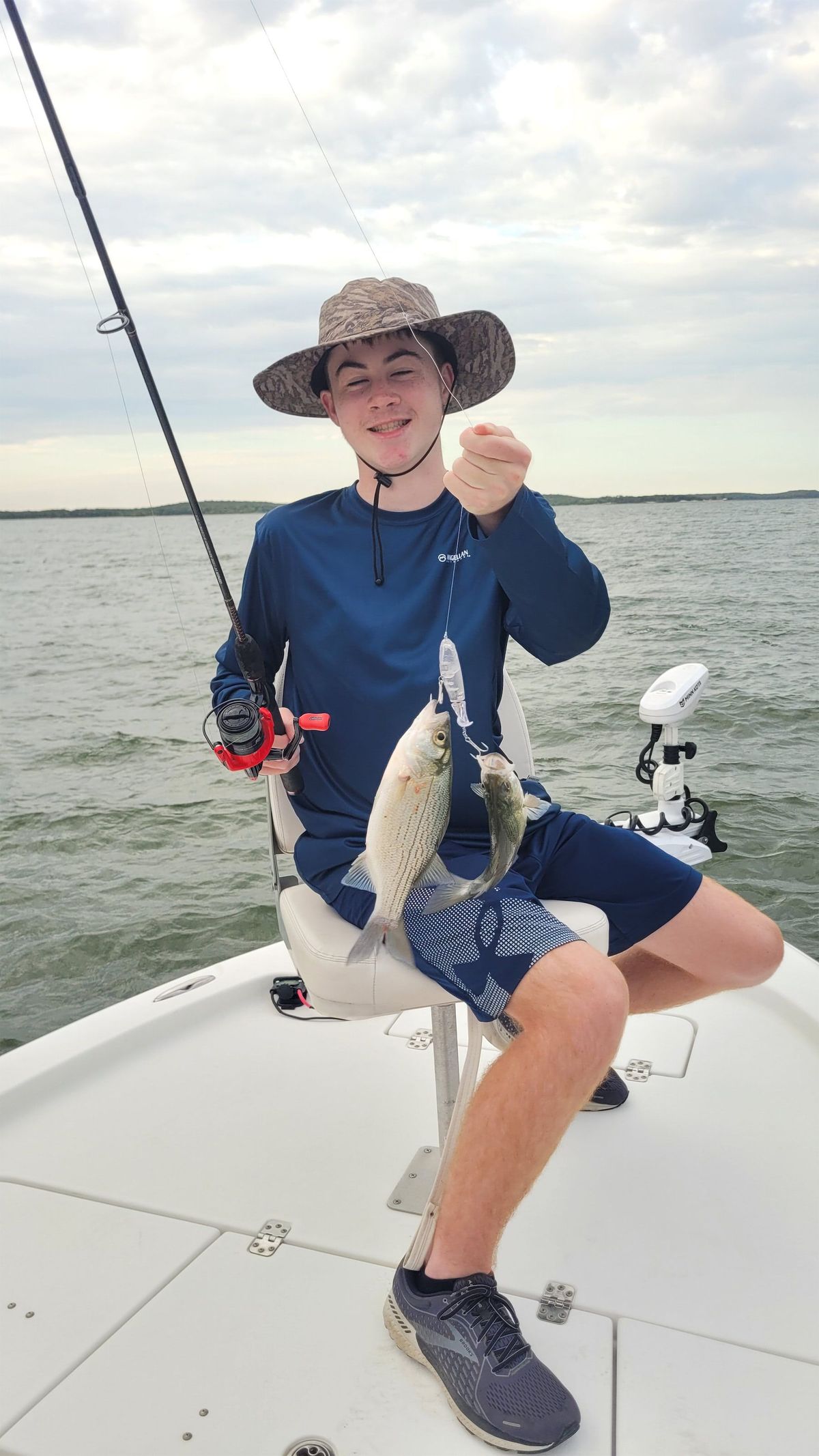
- White bass. Underrated. Most people throw them back. Mistake.
- Bluegill. Small but the flavor is something else. Nutty, almost sweet.
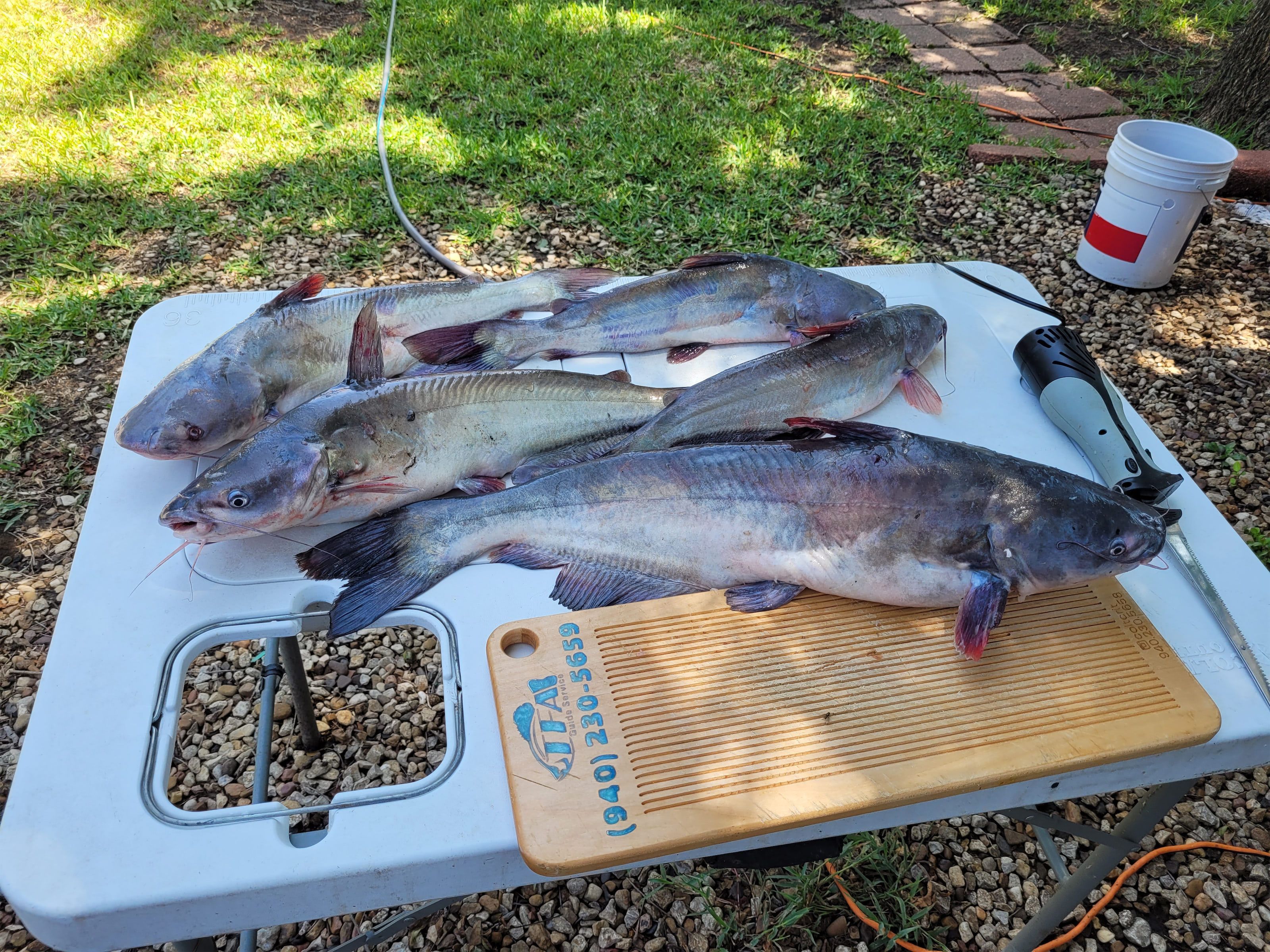
- Channel catfish. Especially out of Aquilla, where the cooler water makes the meat denser and cleaner. Different animal from warm-lake catfish.
- Largemouth bass. It's fine. Not my favorite on a plate, but it eats fine if you cook it right.
That's my list. Yours might look different. But I've cleaned and eaten all of them more times than I can count, and that's the order I'd pick if I had one night and one skillet.
How to Cook Striped Bass
Striper is the fish most people on Whitney want to catch but aren't sure what to do with once it's in the cooler. Fair question. It's not catfish. You can't just bread it and toss it in oil. Well, you can, but you're wasting good fish.
The most important thing happens on the boat, not in the kitchen. Bleed the fish immediately after you land it. Cut the gills. Let it bleed out in a bucket of water. This isn't optional. Striper that doesn't get bled has a strong, fishy taste that no amount of lemon is going to fix. Bled properly, striper is firm, white, mild meat.
The other thing. Remove the bloodline. That dark red strip running down the center of each fillet. Cut it out. It takes ten seconds and it's the difference between "this is great" and "this tastes weird." I do this for you when I clean the fish, but if you're doing your own, don't skip it.
Best size for eating: 5 to 10 pounds. Bigger fish are fun to catch but the meat gets coarser as they get older. A 7-pound striper on the plate beats a 25-pounder every time.
Baked striper. Oven at 400. Lay fillets in a baking dish, skin side down. Butter, minced garlic, squeeze of lemon, salt and pepper. Bake 12 to 15 minutes depending on thickness. You want it to flake with a fork but still be moist in the center. That's it. Simple because the fish doesn't need much when it's fresh and bled right.
Grilled striper. Oil the grate, medium-high. Skin side down, four minutes. Flip, three more minutes. Striper holds together on the grill better than most freshwater fish because the meat is firm. Herb butter on top when it comes off. Fresh dill if you've got it.
Pan-seared. Cast iron, medium-high heat, tablespoon of olive oil. Skin side down first, three minutes until the skin crisps. Flip, two more minutes. Finish with butter, garlic, and a splash of white wine if you want to get into it. This is probably my favorite way to eat striper. Quick, simple, and the crispy skin is the best part.
How to Cook Catfish
I wrote a whole article about Aquilla catfish and why they taste better, including southern fried, blackened, and grilled recipes. If catfish is your thing, start there.
The short version. Southern fried with cornmeal at 375 is the standard. Blackened in a cast iron skillet is my personal favorite, the firm Aquilla meat holds up to the heat without falling apart. And grilled catfish doesn't get enough credit. Oil the grill, skin side down, four minutes, flip once.
The sweet spot for eating is 3 to 8-pound channels. Big enough for good fillets, small enough that the meat hasn't gotten tough. Flatheads are more of a trophy. Keep those on your phone.
How to Cook Crappie
This is the best eating fish in the lake and I'll argue with anyone about it. Crappie has a delicate, slightly sweet flavor that doesn't need much. The biggest mistake people make is overcooking it. Crappie fillets are thin. They cook fast. Walk away for a minute and you've got fish jerky.
Pan-fried crappie. This is the one. Melt a tablespoon of butter in a skillet over medium heat. Dredge fillets in a mix of cornmeal, salt, pepper, and a little garlic powder. Three minutes per side. Maybe less if the fillets are small. You want a light golden crust and the fish should just barely flake in the center.
Some people use flour instead of cornmeal. I like cornmeal because the texture is better, but either works. The butter is the important part. Don't use oil for crappie. Butter gives it that richness that matches the sweetness in the fish.
Beer-battered crappie. Mix a cup of flour, half cup of your cheapest light beer, pinch of salt, pinch of paprika. Dip fillets, drop in 375 oil for two to three minutes until golden. This is good if you're feeding a crowd, but honestly the pan-fried version is better when it's just you and a few fillets.
Serve it with whatever you want. Lemon, tartar sauce, hot sauce. Crappie is forgiving. But if the fish is fresh and the cook is right, you don't really need any of it.
How to Cook White Bass
White bass gets overlooked and I think it's because people don't know how to handle it. The meat dries out fast if you're not paying attention. That's the main thing to know. It's lean fish. You have to add fat or keep the cook time short, ideally both.
Remove the red meat. Same idea as the striper bloodline. White bass has a strip of darker, oilier flesh. Trim it off. The white meat underneath is mild and clean. Leave the red meat on and the whole fillet tastes fishy.
Pan-fried fillets. Butter in a skillet, medium heat. Season with salt, pepper, a little lemon zest. Two to three minutes per side. Don't press them down with the spatula. Don't flip twice. Once and done. The fillets are thin, so this goes quick.
Baked whole. If you've got white bass in the 12 to 14-inch range, baking them whole works. Oven at 400. Score the sides, stuff the cavity with lemon slices and fresh herbs, whatever you've got. Rosemary, thyme, dill. Drizzle with olive oil, salt and pepper. Twenty minutes. The skin keeps the moisture in and the herbs perfume the meat from the inside.
White bass that's cooked right will surprise you. It's flaky, mild, and eats like something you'd pay for at a restaurant. White bass that's overcooked by two minutes tastes like cardboard. Thin line.
How to Cook Bluegill
Bluegill are small. That's the first thing people say, like it's a problem. It's not. You just cook them different.
Pan-fry whole. Scale them, gut them, leave the head on or off, your call. Season with salt and pepper. Dredge in cornmeal. Drop in a skillet with oil at 350 to 375. Fry four to five minutes per side until crispy. The bones pull right out of a cooked bluegill if you know what you're doing. And the flavor is worth the effort. Nutty, almost sweet, different from anything else in the lake.
If you've got kids who caught a pile of them, this is a good tailgate move. Set up the fryer at the truck, cook them right there. They're small enough to eat like chips. That's not a joke. I've watched a kid eat eight of them standing next to the boat ramp.
The tail gets crispy like a cracker. Don't throw it away.
I Clean Your Fish
Every guided trip includes cleaning and bagging your catch. I fillet everything at the ramp, bag it, and you go home with fish ready for the kitchen. No scales on your countertop, no guts in your sink. That's part of the deal.
I know how to cut each species for how it cooks best. Striper gets the bloodline removed. Catfish gets skinned. Crappie fillets come off clean. You just take the bag home and decide what you're making.
If you want to learn how to do it yourself, I'll show you. But most people would rather eat than clean, and I don't blame them.
Book a trip and bring home dinner.