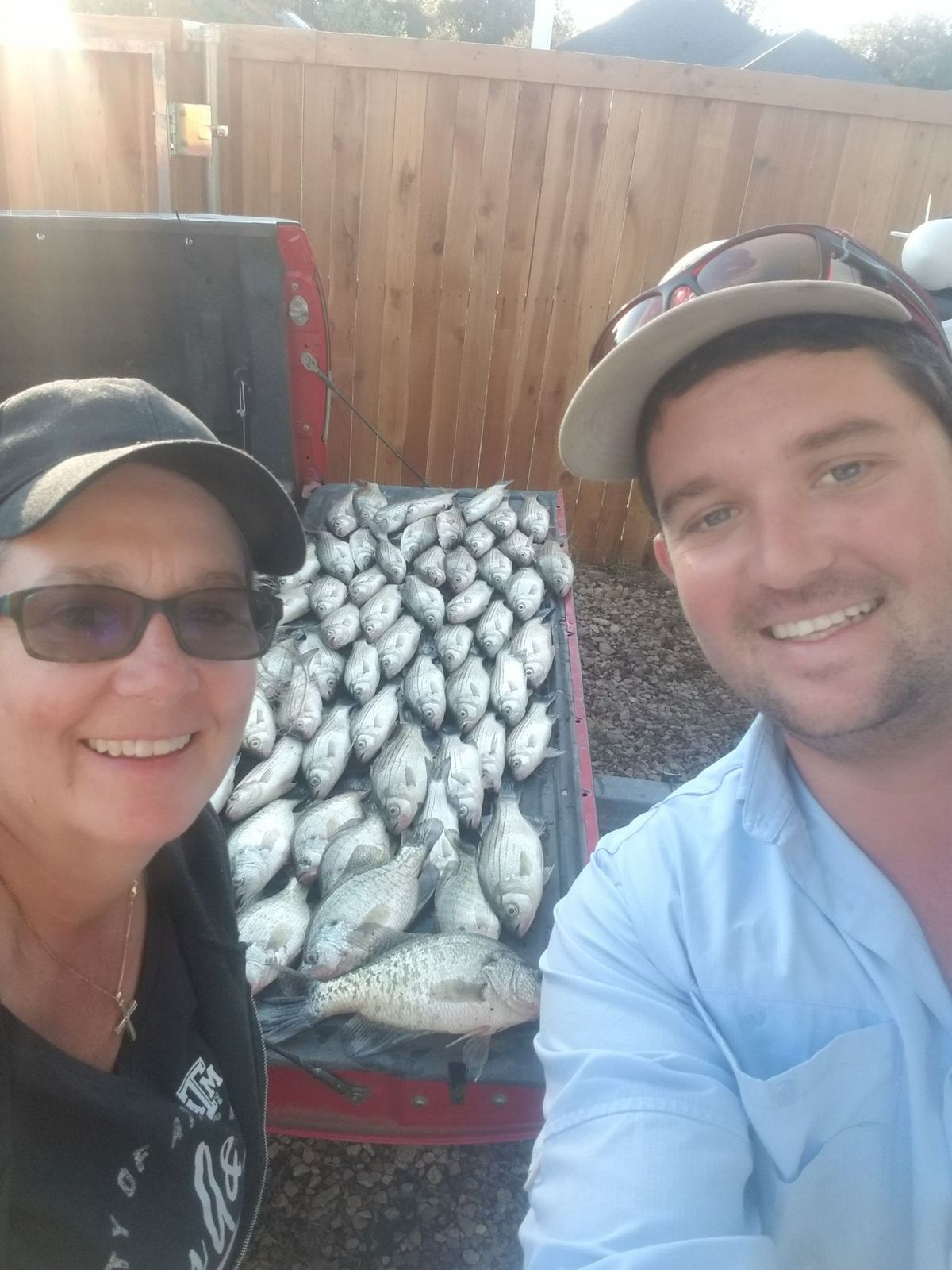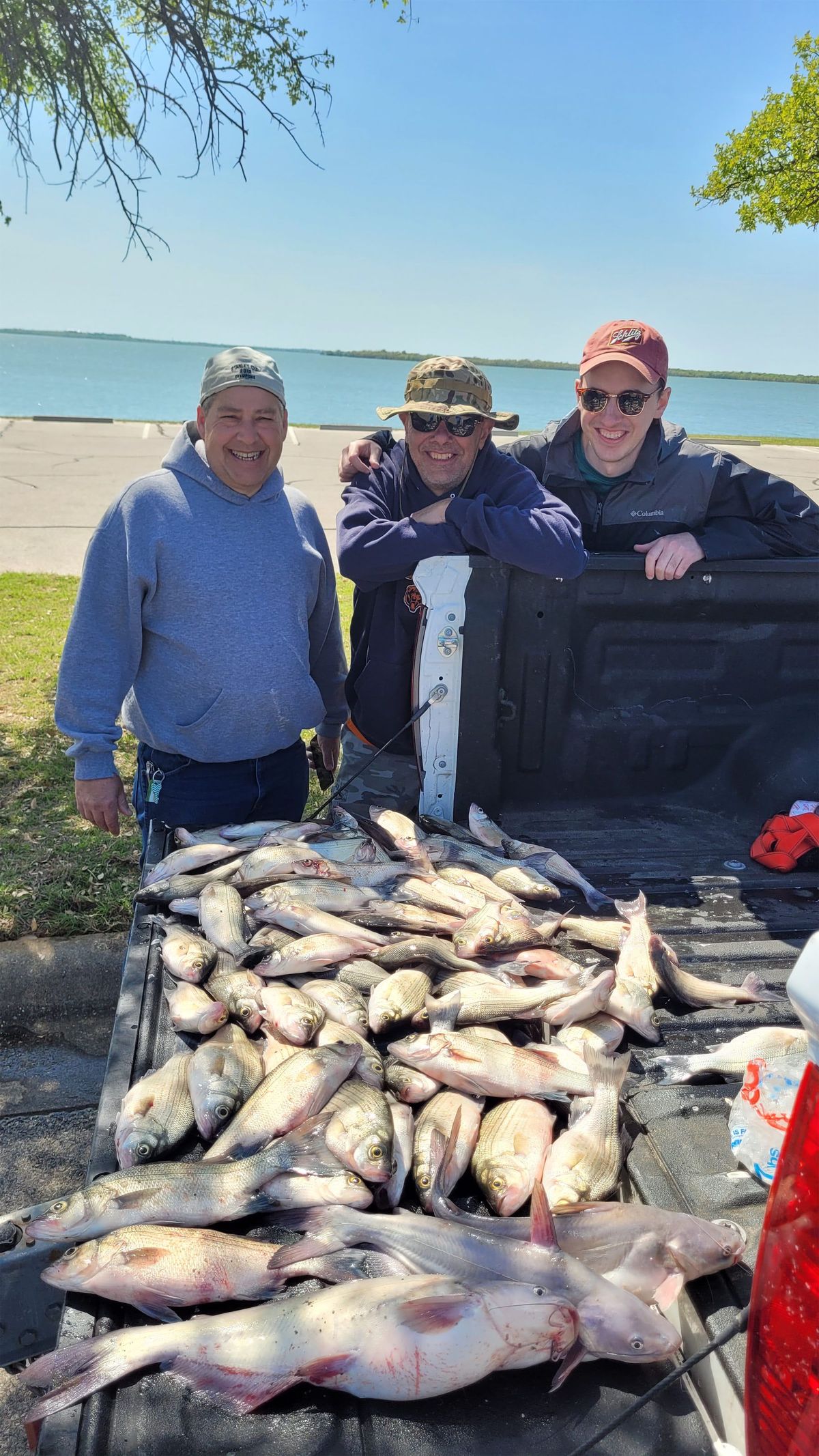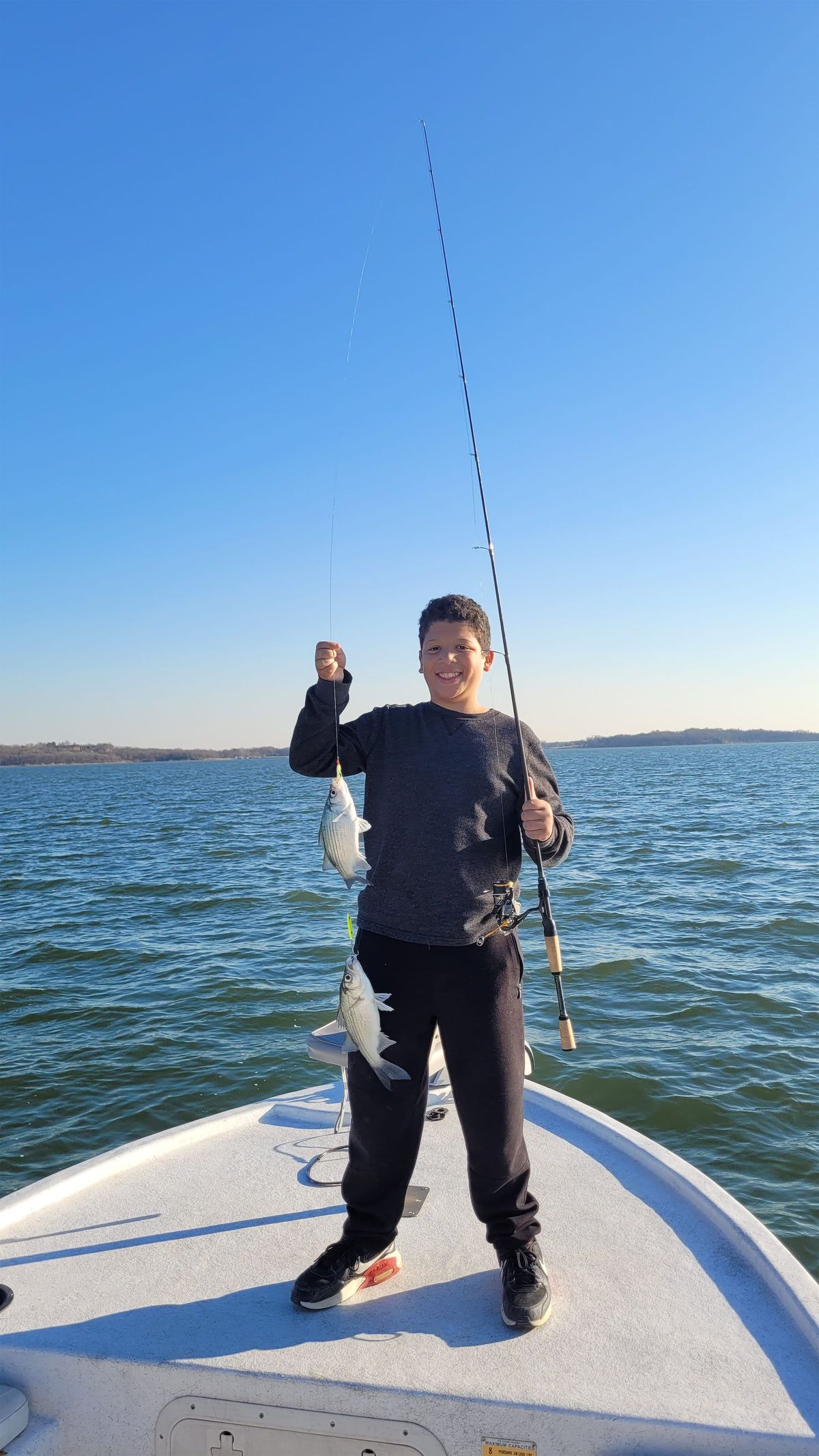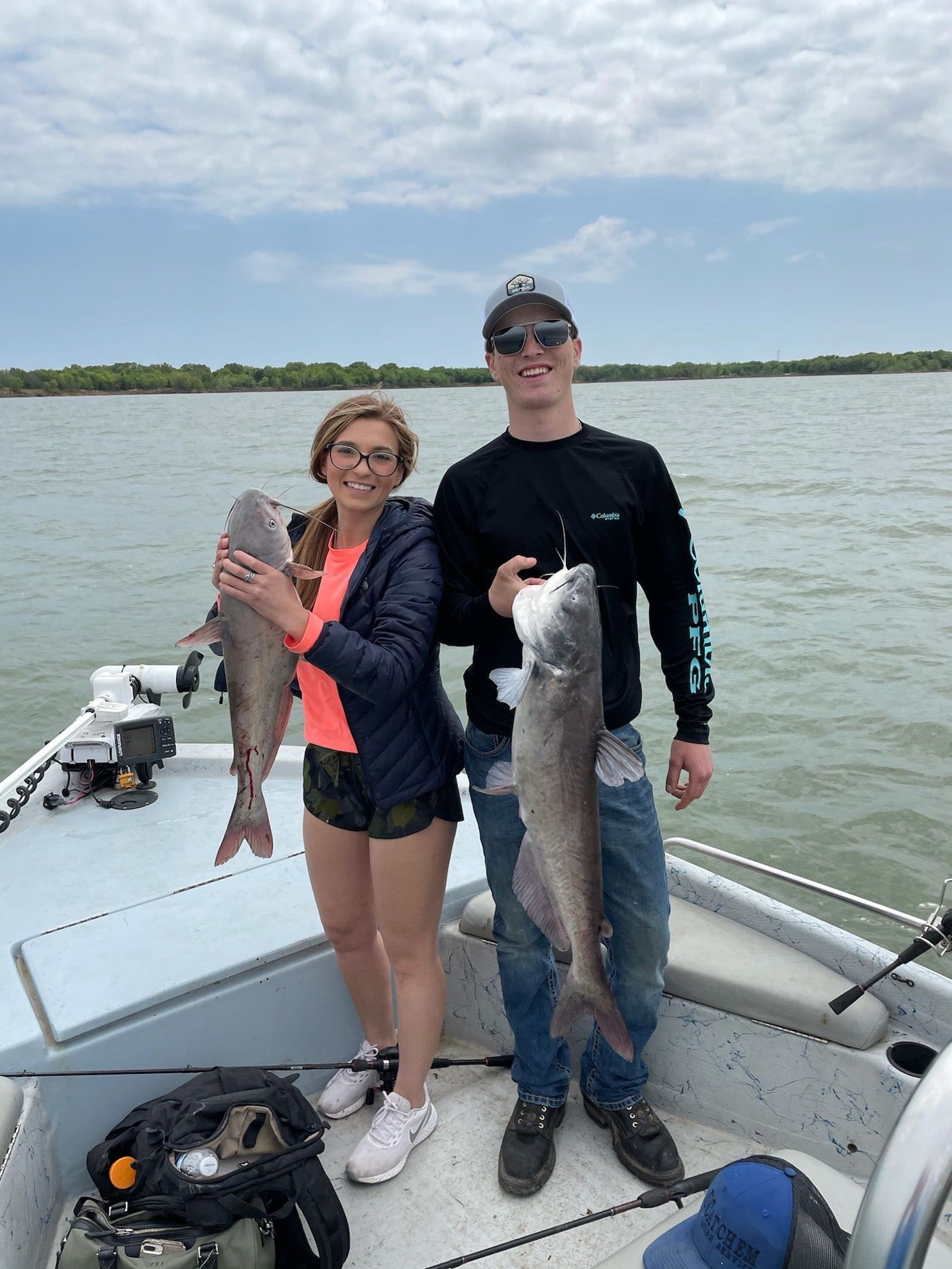
Spring on Whitney is when the lake wakes up. Stripers spend most of winter holding deep, eating slow, and being predictable. By late February something changes, and by March the whole pattern flips. The fish move, the bait moves, and the lake goes from quiet to loud over the course of three or four weeks. If you've only ever fished Whitney in summer or fall, spring is going to feel like a different lake.
Here's what's happening and how I fish it.
The Trigger
It's water temperature, like everything else on this lake. When the surface temp climbs into the mid-50s and starts pushing toward 60, the stripers move. Their internal calendar says it's time to run upstream and spawn, even though Whitney is a closed lake and they can't successfully reproduce here. The instinct doesn't know that. They run anyway.
In an average year, that water-temp threshold hits in late February or early March. After a warmer winter, you might see them move in mid-February. After a colder one, not until late March. I'm watching the surface temps starting around Valentine's Day and adjusting from there.
Where the Stripers Go
When the spring run starts, stripers concentrate at the mouths of the major creek arms and tributary inflows. The Brazos River channel and the bigger creek channels are the highways they're using. They stage at the inflow mouths in pre-spawn, push up into the creeks during the spawn itself, and fall back to the main lake as they finish.
That means in spring I'm not fishing the deep main-lake structure that I fish in winter or summer. I'm fishing the river arms, the creek mouths, the channel intersections where current is moving. The fish are concentrated and moving with purpose, which is the easiest pattern to fish all year.
The Pre-Spawn Window
This is the peak. Mid-March to early April most years. The water's in the 55 to 65-degree range, the fish are staging at the mouths, and they're feeding aggressively to put on weight before the spawn.
Pre-spawn stripers eat almost anything that looks like a shad. Live shad drifted through the channels is the deadliest bait of the year. Slabs and jigging spoons in 15 to 25 feet of water on the staging structure. Even topwater on warm, calm mornings can produce.
The bite windows are longer in spring than in summer. You're not stuck with just dawn and dusk. Pre-spawn stripers will eat at 10 AM, at noon, at 3 PM if the conditions are right. That makes for longer productive trips and more consistent results.
If spring is your window, pre-spawn April is the call. October's the calendar peak, but spring trades surface chaos for predictable concentration, and a lot of clients prefer that.
The Spawn Itself
When the water hits 62 to 68 degrees, stripers push into the upper reaches of the tributaries and try to spawn. This is the tricky part of the season. Locked-in spawning fish aren't always interested in eating. Some days they're as aggressive as they were a week earlier. Some days they're completely uninterested in food.
I don't usually try to fish stripers in the middle of the active spawn. The success rate drops too far, and pulling spawning fish off their run isn't great for the fishery either. I'll target other species, run a catfish trip, or wait it out for a few days.
The exact spawn dates shift year to year. Some years it's mid-April. Some years it's late March. Watching water temp and river flow is how I gauge it.
Post-Spawn Recovery
When the spawn wraps up, usually by late April or early May, the stripers drop back toward the main lake but they don't go deep yet. They hold at intermediate depths, 10 to 20 feet, on the channel edges and points just outside the creek mouths. They're recovering from the spawn and feeding hard.
This is another underrated window. Late April through May, the post-spawn fish are healthy, hungry, and accessible. They're not as concentrated as pre-spawn, but they're still tracking shad and they're still willing to eat.
Topwater action starts showing up here. Stripers feeding on the surface in spring is less common than fall, but on warm calm mornings post-spawn it can happen. When it does, it's the best fishing on the lake.
Techniques for Spring
The toolbox shifts compared to winter. Spring is more about presenting bait at the right depth in current than about jigging spoons over deep ledges.
Live shad drifted through the channels. The number-one spring technique. I throw a cast net in the morning, fill the bait tank, and drift live shad through the staging mouths and creek arms. Light weight, free-line where I can, slip-sinker rig if I need to get them deeper. (Three rigging styles and when each one works in the live shad rigging guide.)
Slabs and jigging spoons. Same heavy spoons I use in winter, but at shallower depths. 15 to 25 feet over staging structure. Quick lift, controlled fall. Most bites come on the drop.
Crankbaits and swimbaits. Less common but they work in spring when stripers are chasing shad. Big swimbaits in the 5 to 7-inch range, deep-running crankbaits in shad patterns.
Topwater on the right morning. Walking baits, pencil poppers, big surface plugs. Calm spring morning at first light over a staging area, the fish will come up for them.
Why I Like Spring Striper Trips
Spring is honest fishing. The fish are concentrated, they're predictable, and they're feeding. You don't need to grind out a slow day. Most spring trips, somebody's got a fish in the boat in the first 45 minutes.
Weather can still be tough. Spring fronts come through hard in Central Texas, with 30-mph wind and temperature drops of 20 or 30 degrees overnight. The day after a cold front can be slow. The day a front is moving in can be incredible. The day three or four days into a stable warm-up is usually the best day of the week.
I also like spring because most of my clients haven't fished much of Whitney yet for the year. They're excited. The fish are excited. Everything's coming out of the winter slowdown and the lake feels new.
Booking a Spring Trip
Spring stripers are my favorite trip to run. If you're going to book one striper trip a year on Whitney, ask about March or April. May works too, with the caveat that the spawn itself might be in progress.
I provide rods, reels, tackle, live shad. You bring a license, a cooler, and a layer for the morning. Spring water is still cold even when the air is warm.
Book early for spring. Those weekends fill up.
I'll put you on them.