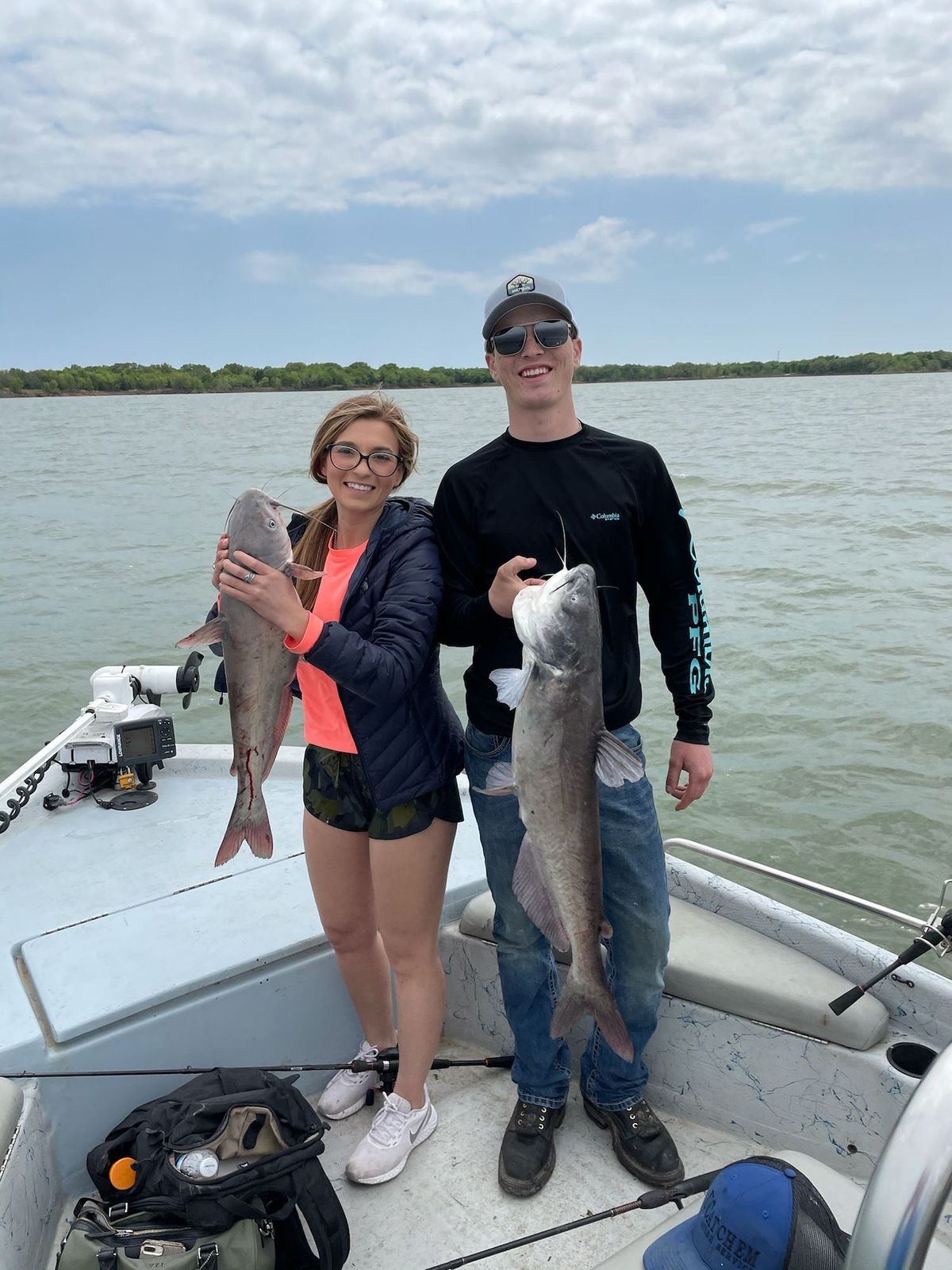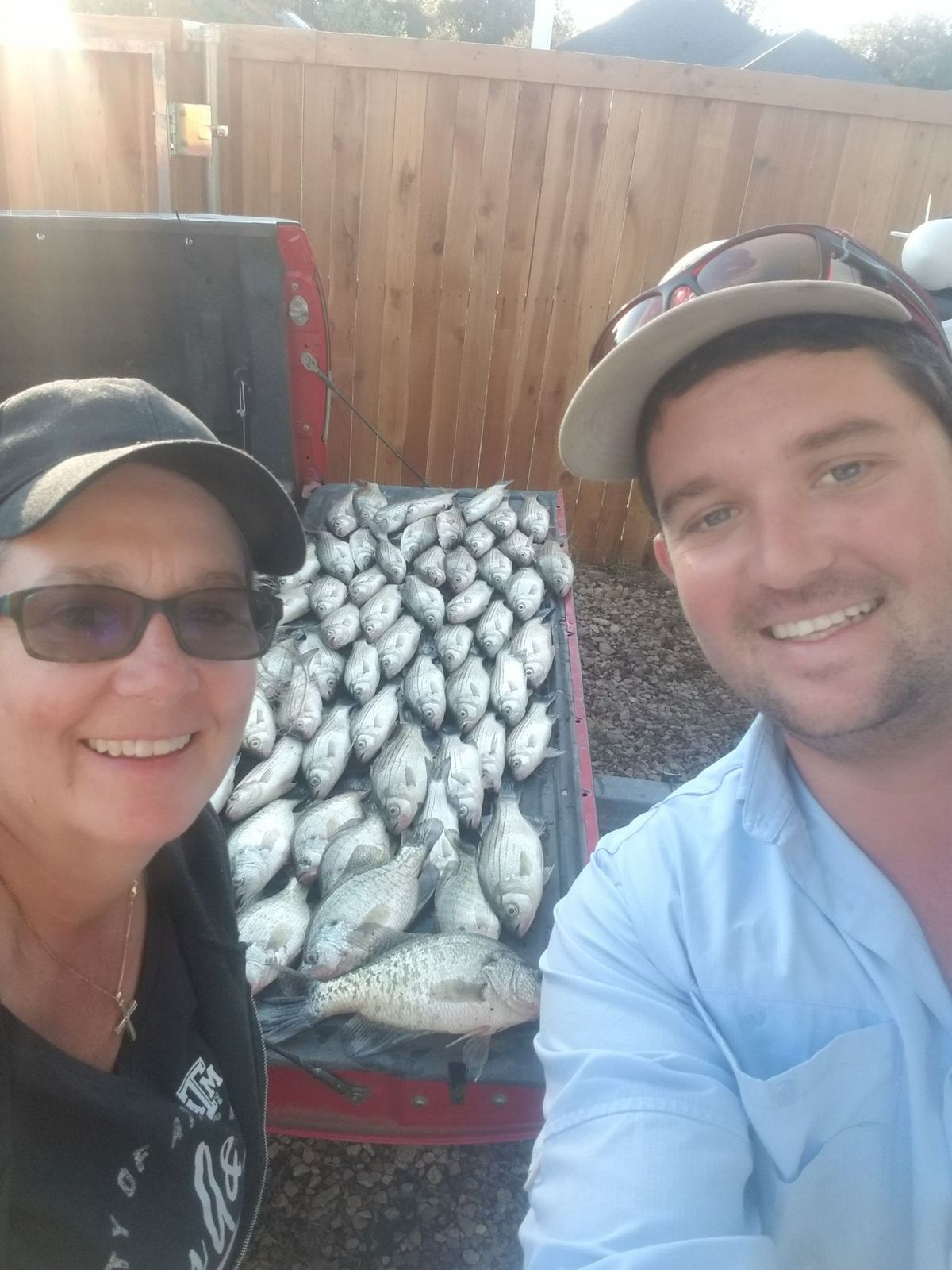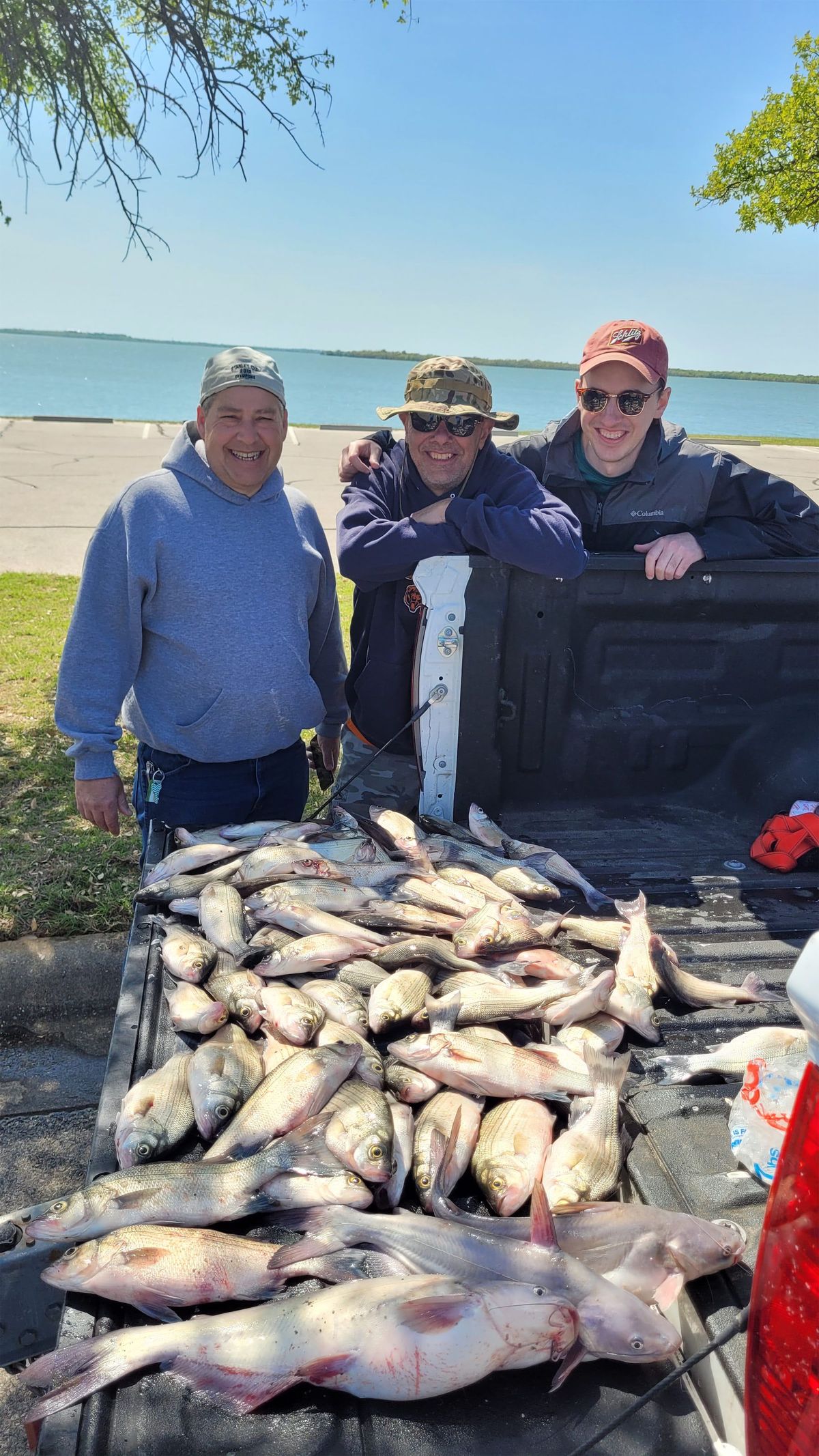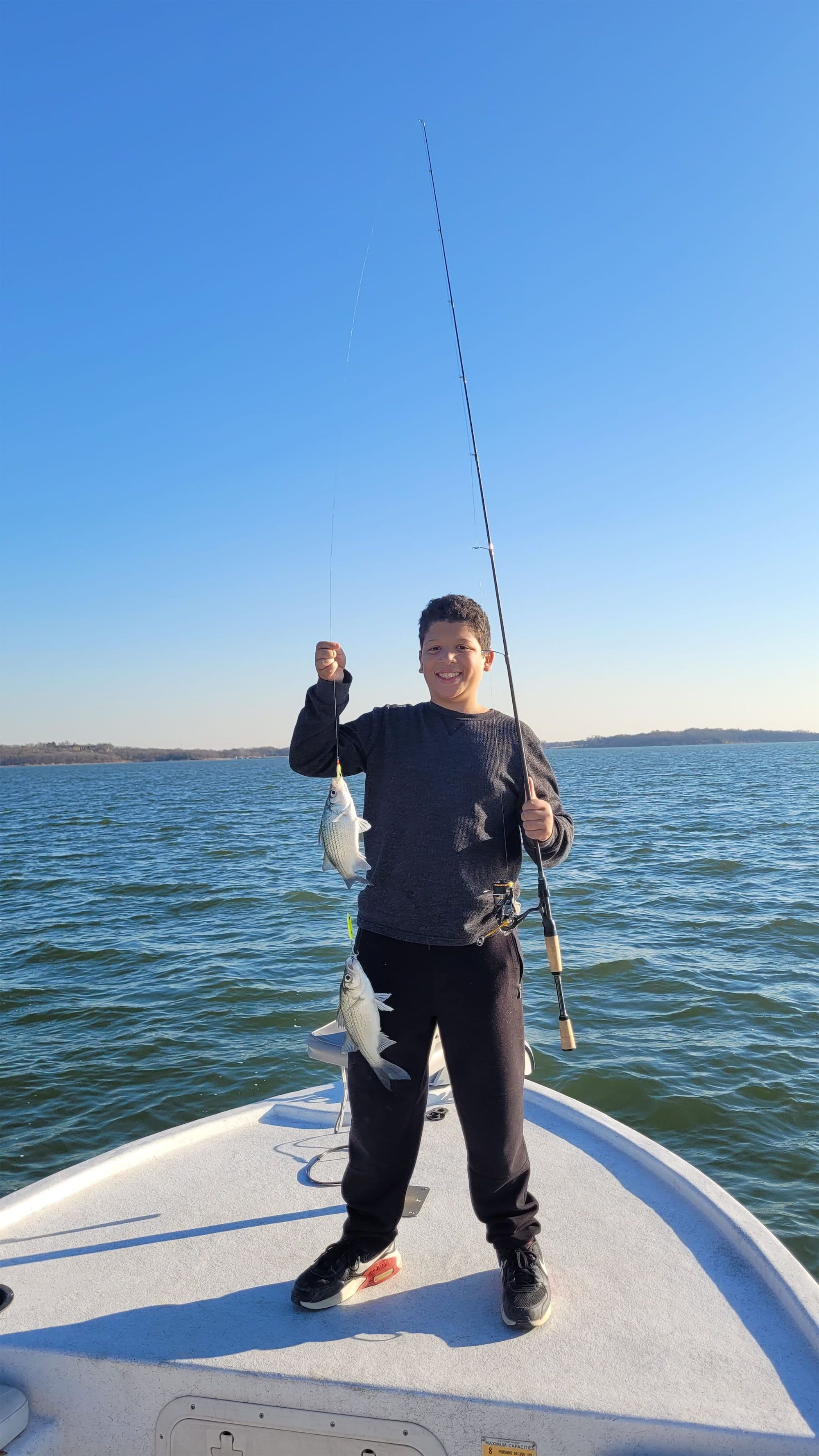
Most people put their rods away after Thanksgiving. Cold out, lake looks empty, nobody's posting hero shots on Instagram. But I'll be honest with you, November through February is when I look forward to fishing the most. The crowds disappear and the stripers don't. Fewer boats, bigger fish. Their loss.
I've had winter mornings on Whitney where the water is glass and there's not another boat in sight. Just me, the dog, and a thermos of coffee that's doing more work than it should. The fish are down deep, holding on structure they've been using for months, and they're not going anywhere. If you know where to look, winter striper fishing is about as close to a sure thing as this sport gets.
Why Winter Is Prime Time for Stripers
Here's what most people get wrong about winter fishing. They think cold water means the fish shut down. Stripers are comfortable between 50 and 70 degrees. When the lake drops to 40 or 55, they're still eating. They're just doing it slower and deeper.
What actually changes is where the fish sit. In summer, stripers roam. They chase bait, they suspend at different depths, they move around. Winter tightens everything up. The fish concentrate on predictable structure. Deep ledges, channel drops, places where the bottom does something interesting. Instead of searching 23,000 acres, you're fishing specific spots. That makes my job easier, and it makes your day on the water more productive.
The other thing nobody talks about. Winter fish are heavier. They've been feeding through fall, packing on weight before the water cools. A 25-pound striper in October is a 28-pound striper in January. Trophy fish come out of cold water. That's not a coincidence.
Where Stripers Hold in Cold Water
Winter stripers aren't complicated. They want depth, they want structure, and they want to conserve energy. Once you understand that, the spots start making sense.
Deep ledges, 30 to 50 feet. This is where I spend most of my winter days. Channel ledges where the bottom drops from 20 feet to 40 in a short distance. Stripers stack on those edges. They sit on the deep side and pick off bait that drifts past. If you're marking fish on your sonar at the base of a ledge, you're in the right spot.
Main channel drops. The old Brazos River channel runs through Whitney, and the depth changes along that channel create natural holding spots. Anywhere the channel bends or pinches, fish pile up. Winter makes these spots even more reliable because the fish aren't ranging far from them.
Dam discharge area. The water coming through the dam runs slightly warmer than the rest of the lake. Even a degree or two matters when everything else is in the low 40s. Stripers know this. They'll sit downstream of the discharge and wait for bait to come to them.
Creek intersections. Where creek channels meet the main channel, you get depth transitions and current breaks. Good spots year-round, but in winter they concentrate fish that would otherwise scatter across a lot of open water.
Winter Techniques That Actually Work
I'm not going to give you ten methods. In winter, three things work consistently, and one of them works better than the other two.
Vertical jigging. This is my number one winter technique. It's simple, it's effective, and it puts fish in the boat when nothing else will. You position the boat over the structure, drop a 1 to 2-ounce jigging spoon straight down, and work it with a slow lift-and-fall. Not aggressive. Not fast. Think of it like breathing. Lift the rod tip about a foot, let the spoon flutter back down, pause. The hit usually comes on the fall or the pause.
The key is staying directly over the fish. Your sonar is everything here. I watch the screen, find the marks, and keep the boat on top of them. Winter stripers aren't chasing anything very far. You need to put the spoon right in their face. If you're ten feet off, you might as well be a mile away.
Live shad, slow-drifted. When vertical jigging isn't getting it done, I'll switch to live shad. You hook a shad through the back, drop it to the depth where the fish are holding, and let it drift slow. Real slow. Winter fish want an easy meal. A struggling shad right at their depth is hard to say no to. This takes more patience than jigging, but when a big striper decides to eat a live bait in cold water, you'll know about it.
Trolling with downriggers. For covering water when I'm not sure exactly where the fish are sitting, I'll troll with downriggers set at 30 to 40 feet. This is more of a search technique. Once I find them, I usually switch to jigging and sit on the spot. But trolling has its days, especially early in winter when the fish are still transitioning from their fall patterns and haven't fully settled on structure yet.
Gear Adjustments for Cold Water
Winter fishing doesn't need a whole new tackle box. But a few adjustments make a difference.
Heavier jigs. In summer I might throw a 3/4-ounce spoon. Winter, I'm going 1 to 2 ounces. The fish are deeper and you need to get down fast and stay in contact. A light jig drifting sideways in 40 feet of water isn't doing anything useful.
Longer fluorocarbon leaders. Cold water is clear water. The visibility is better than any other time of year, and stripers in clear water get line-shy. I run a longer fluoro leader in winter than I would in summer. It makes a difference, especially when you're dropping a spoon right in their face and they've got time to look at it.
Dress for it. This isn't a gear tip, it's a survival tip. Layers. Good gloves you can still feel a rod through. A hat that covers your ears. Wind on an open lake at 38 degrees hits different than standing in your yard at 38 degrees. Hot coffee is not optional. I'm serious. Bring a thermos and thank me later.
When to Go and When to Stay Home
November through February is the window. The best days are usually mid-morning to early afternoon. Winter stripers aren't dawn-patrol fish. The water needs a couple hours of sun to warm up even a degree or two, and that slight change gets bait moving, which gets stripers feeding. I've had plenty of slow mornings that turned on at 10 AM and stayed good until 2.
The cold front rule. If a big cold front just blew through, give it 24 to 48 hours. Stripers get lockjaw after a sharp temperature drop. It doesn't matter how good the spot is or how pretty your spoon looks. They're not eating. Wait for the water to stabilize, then go. The day after a front has settled is often one of the best days you'll get all winter.
Overcast days can be sneaky good. The fish feel comfortable higher in the water column when there's cloud cover, which brings them up off the bottom a little and makes them more willing to react to a jig.
Book a Winter Striper Trip
Winter is my favorite season to guide. I know that sounds like a sales pitch, but it's not. I fish Whitney 12 months a year, and the winter months are when I get to slow down, focus on one group at a time, and go after the biggest fish in the lake without dodging tournament boats and pontoon parties.
Fewer clients book in winter, which means more availability and more of my attention. If you've been wanting to fish with a guide but the calendar never works out in spring or fall, check December through February. You might be surprised what's available.
The fish are there. The crowds aren't. Bring a coat and a thermos. I'll handle the rest.